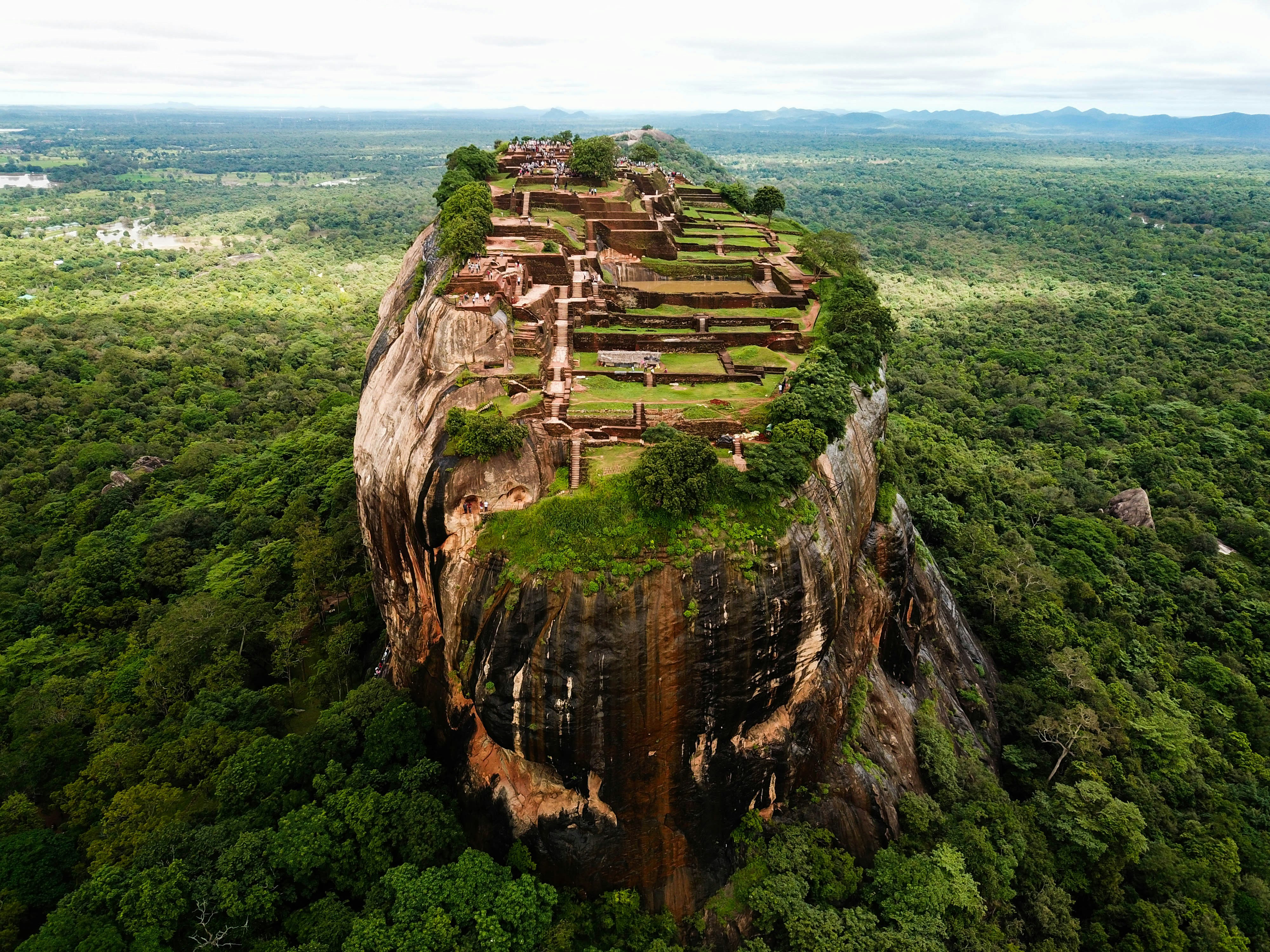
![Exploring Ajanta Ellora Caves [History, Art, and Visitor Guide]](https://www.paylesstoursindia.com/blog_images/siddhesh-mangela-zp039-crf3m-unsplash-1751097940.jpg)
Nestled in Maharashtra, India, the Ajanta and Ellora caves stand as some of the finest examples of ancient rock-cut architecture. These caves, carved between the 2nd century BCE and 10th century CE, showcase intricate artistry and reflect the rich cultural history of the region. Recognized as a UNESCO World Heritage Site, they attract visitors from across the globe who come to witness their unique blend of Buddhist, Hindu, and Jain influences. This post will guide you through their history, art, and practical tips for visiting these remarkable sites.
To understand what makes the Ajanta and Ellora caves so special, it helps to look at their origins and the times they were carved in. These caves don’t just tell stories through their art, but also through their construction. Let’s break down when and how these caves came to be, and what cultural forces shaped them over the centuries.
The Ajanta caves began appearing as early as the 2nd century BCE, during a time when Buddhism was spreading across India. These rock-cut caves served as retreats and worship spaces for Buddhist monks. Over the next few centuries, until roughly 480 CE, the Ajanta caves grew in number and complexity.
This period was marked by strong royal and merchant patronage. Kings from the Satavahana dynasty and subsequent rulers supported these monastic centers, which helped Buddhism flourish at the time. You’ll notice the caves are mainly built as viharas (monasteries) and chaityas (prayer halls), featuring elaborate sculptures and vivid murals that bring Buddhist teachings to life.
The art you see here reflects the Mahayana tradition of Buddhism, which was thriving then. The faded paintings and carvings show stories of the Buddha’s life, Jataka tales (stories of past lives), and scenes of daily life in those times. These caves offer a window into ancient Buddhist spirituality as it was practiced for nearly six centuries.
Moving beyond Ajanta, the Ellora caves were created between the 6th and 10th centuries CE. Unlike Ajanta, Ellora showcases a fascinating blend of Hindu, Buddhist, and Jain traditions, carved right next to each other. This makes Ellora a unique symbol of religious coexistence.
The early Ellora caves continued the Buddhist legacy, but over time Hindu and Jain patronage grew stronger. The Rashtrakuta dynasty, powerful rulers of the Deccan region, were instrumental in commissioning many caves here. The Ellora complex expands into massive temples and monasteries, with more intricate and grand architectural styles.
While Buddhist caves remain simple and serene, Hindu caves like the famous Kailasa temple stand out with their elaborate sculptures and monumental size. Jain caves, carved later, maintain their distinct spiritual focus, with detailed iconography and clean, austere designs.
Ellora’s timeline reflects a shift in religious influence over the centuries. It shows how these faiths developed side by side, sharing a landscape yet expressing their differences through art and architecture. The caves here are not just places of worship but living records of changing cultural and political climates.
Together, Ajanta and Ellora offer a layered history that spans over a millennium, each marking different chapters of India’s rich spiritual and artistic heritage.
The Ajanta and Ellora caves are not just places carved out of rock; they are stories told in stone and color. Both sites showcase an impressive blend of architecture and art that reveals how ancient craftsmen turned solid basalt cliffs into spiritual and artistic spaces. The techniques used, the sculptures carved, and the paintings applied all reflect a deep understanding of form, space, and symbolism, giving us a closer look at the creative spirit of their time.
The caves were carved directly into the basalt cliffs, which was no small feat. Unlike building from the ground up, here, artisans had to work from the top down, carefully hollowing out volcanic rock with simple tools like hammers and chisels. This method took years of skill and precision to make sure the caves were structurally sound and artistically detailed.
The builders began by outlining the cave’s shape on the cliff face. Then they chipped away vast amounts of rock, creating large halls, intricate pillars, and detailed facades. The Kailasa temple at Ellora is a standout example—it looks like a free-standing temple but was entirely carved from one massive rock. Imagine carving a whole temple from the inside out without collapsing the structure. This required smart planning and engineering, especially since the rock had to withstand natural wear over centuries.
Features like columns, steps, and roof designs were cleverly crafted to support the weight of the rock above while keeping the interiors spacious and functional. The caves also show early ventilation and lighting solutions to make them usable as monasteries and worship places, which adds to their architectural genius.
Among the many sculptures and monuments, a few stand out for their scale and detail. The Kailasa temple, dedicated to Lord Shiva, is the largest monolithic structure of its kind. Its towering façade, carved with scenes from Hindu epics and numerous deities, is a powerful display of sculpture as storytelling.
Inside the caves, you’ll find large Buddha statues in varying poses—serene and calm, reflecting different moments of the Buddha’s life and his teachings. These statues capture subtle emotional expressions and fine details, from the folds of robes to hand gestures (mudras) that symbolize peace, protection, and teaching.
Besides these, intricate depictions of Hindu and Jain figures appear in other Ellora caves, each carefully crafted to represent mythological stories and spiritual ideals. The sculptures are more than decoration; they are meant to teach and inspire devotion.
The Ajanta caves are famous for their ancient wall paintings, which remain one of the best-preserved examples of early Indian art. These frescoes were painted using natural pigments on wet plaster, a technique that allowed colors to soak in and last centuries.
The themes explore Buddhist legends, Jataka tales, scenes from everyday life, and nature. You’ll notice vibrant depictions of kings, queens, musicians, dancers, and common folk, showing a lively picture of the past. The artists used delicate lines and soft shading, with colors like reds, ochres, greens, and blues that still captivate visitors today.
Thanks to the caves being closed off for centuries, many paintings are surprisingly intact, although some areas show wear from time and weather. Their preservation helps us understand ancient Indian culture and the importance of storytelling in religious teachings.
In these frescoes, every figure, scene, and color adds a layer of meaning, creating a visual dialogue between the art, the religion, and the viewer. They are not just decorations but windows into the hearts and minds of their creators.
Conclusion
India’s uniqueness lies in its rich traditions, diverse cultures, and vibrant life. From languages to festivals, every aspect reflects its deep history and living culture. India keeps evolving but stays true to its roots. Its influence on the world continues to grow. Exploring India’s many facets reveals a land full of surprises. Dive deeper into its traditions, and you’ll find a world waiting to be discovered. Celebrate India’s spirit—an endless journey of wonder and tradition with our boutique travel agency Paylesstoursindia. We will take you on a tailor made tour according to your date of arrival, accommodation standard and number of people.
Share your details and our travel experts will write back with a tailored itinerary and quote - usually within 24 hours, with no obligation.
Share your query and our team will write back in the shortest possible time with every detail you need.
Tell us when and how you like to travel. We'll send a tailored itinerary within 24 hours - no obligation.
Plan my trip free





![Essential Information Before Travelling to India [2025 Guide]](https://www.paylesstoursindia.com/blog_images/makm-photography-u0irc-unbok-unsplash-1-1744953219.jpg)
![Cultural Tips Before Travelling to India: What Every Visitor Should Know [2025 Guide]](https://www.paylesstoursindia.com/blog_images/curated-lifestyle-nw6rp-dkba8-unsplash-1745135515.jpg)
![Khajuraho: Ancient Temples, Sculptures, and Travel Tips [2025 Guide]](https://www.paylesstoursindia.com/blog_images/getty-images-jhoje1cjs7s-unsplash-1745211364.jpg)
![Malana Village in India: Magic, Traditions and the Legendary Malana Cream [2025 Guide]](https://www.paylesstoursindia.com/blog_images/saurav-pratihar.jpg)