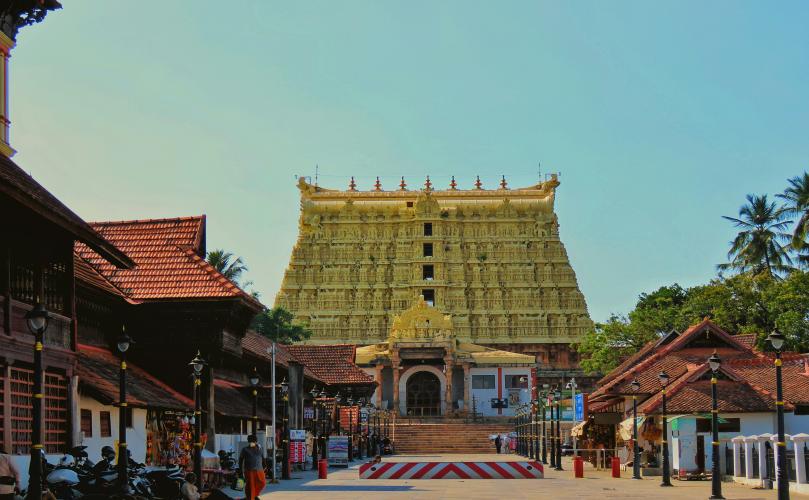
Tamil Nadu is one of India’s richest travel regions, and not only because of its temples. It gives you shore temples facing the Bay of Bengal, royal Chola architecture, cool hill stations, sacred island towns, wildlife forests, spice-scented food, silk shopping, quiet villages, and some of the most memorable road journeys in South India.
For travellers visiting India for the first time, Tamil Nadu can feel easier to plan than many larger routes. Distances are manageable, roads between major towns are generally practical for private travel, and the state has a strong mix of culture, nature, history, and coast. It also connects well with Kerala, Karnataka, and the wider South India circuit.
This guide covers Tamil Nadu best places, the kind of sights that also belong on any list of South India best places, and why choosing the right tour operator South India can make the journey smoother, especially if temple timings, long drives, local guides, and train routes are involved.
Mahabalipuram is one of Tamil Nadu’s most atmospheric coastal heritage stops.
Chennai is often treated as a gateway, but it deserves more than a quick airport transfer. It is the capital of Tamil Nadu and a good place to understand the state’s rhythm before heading deeper into temple towns and hill country.
Start with Marina Beach, one of India’s best-known urban beaches. Go early in the morning or near sunset, when the heat is softer and local life is active. The beach is wide, open, and full of small food stalls, walkers, families, and fishing communities.
Chennai also has strong cultural stops:
Kapaleeshwarar Temple in Mylapore, known for its striking gopuram and active daily worship
San Thome Basilica, linked to the apostle St Thomas
Fort St George, tied to the colonial history of the city
Government Museum, useful for bronzes, archaeology, and art
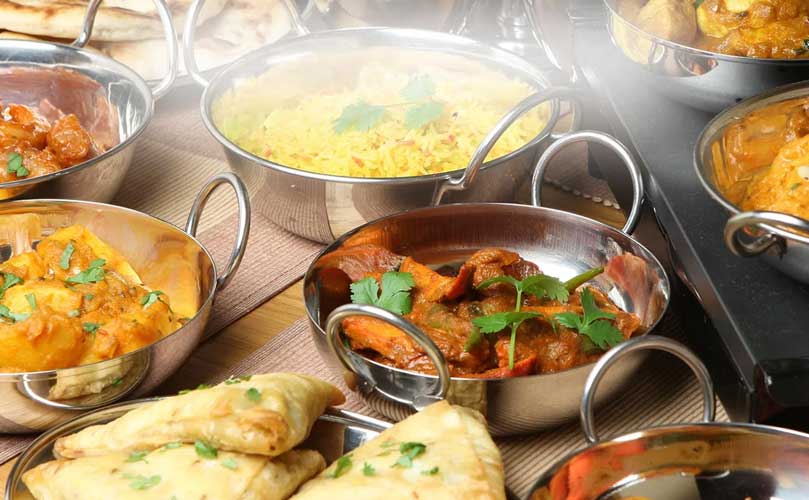
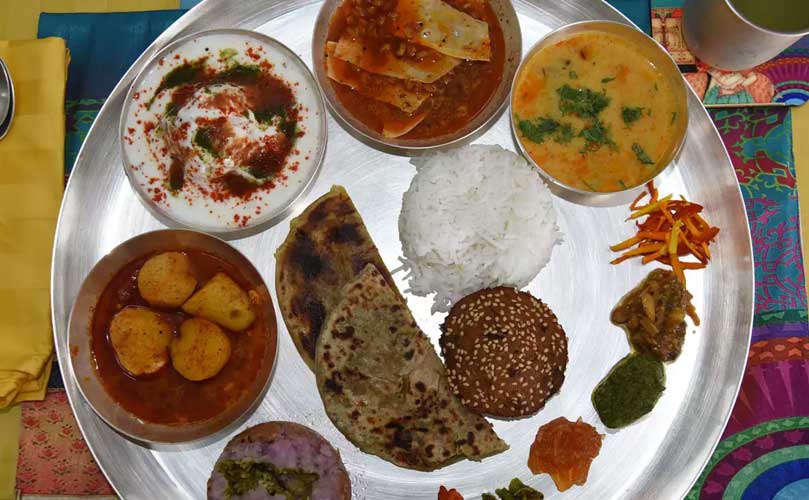
Chennai is also a good place to try Tamil food before moving on. Idli, dosa, filter coffee, Chettinad dishes, and full South Indian meals served on banana leaves are all part of the experience.
Practical tip: Spend at least one night in Chennai after arrival. International flights can be tiring, and a relaxed start helps the rest of the trip feel better.
Mahabalipuram, also called Mamallapuram, is one of Tamil Nadu’s most rewarding heritage sites. It sits on the coast south of Chennai and is famous for its UNESCO-listed group of monuments.
The main sights include:
Shore Temple, set close to the sea
Arjuna’s Penance, a huge open-air rock relief
Pancha Rathas, carved monument forms that look like temple chariots
Krishna’s Butter Ball, a large balancing boulder that has become a well-known photo stop
Mahabalipuram works well as a day trip from Chennai, but staying overnight gives it more charm. The town is calmer in the morning, and the coastal setting feels more special without a rush.
Practical tip: Visit the monuments early, then keep the afternoon for lunch, the beach, and small craft shops.
Kanchipuram is one of South India’s great temple towns. It is also famous for silk sarees, making it a strong stop for travellers interested in both sacred architecture and traditional craft.
Important temples include Ekambareswarar Temple, Kailasanathar Temple, and Varadharaja Perumal Temple. Each has a different mood, from large active worship spaces to older, quieter stone structures.
Kanchipuram is also one of the best places to learn about silk weaving. Many travellers visit local showrooms or weaving units to see how Kanchipuram silk takes shape.
Practical tip: Temple dress codes matter. Wear clothing that covers shoulders and knees, and be ready to remove footwear before entering temple areas.
Pondicherry, now officially Puducherry, is a Union Territory, not a part of Tamil Nadu. Still, it fits naturally into many Tamil Nadu itineraries because it sits close to Chennai and Mahabalipuram.
The French Quarter is known for quiet streets, colonial-era buildings, cafes, and seaside walks. The Sri Aurobindo Ashram and nearby Auroville are popular with travellers interested in meditation, community living, and alternative ways of life.
Pondicherry gives the route a softer pause between busier temple and heritage stops.
Practical tip: Stay two nights if possible. One night can feel too short, especially if adding Auroville.
Thanjavur is one of the finest cultural destinations in Tamil Nadu. Its most famous landmark is the Brihadeeswarar Temple, part of the UNESCO-listed Great Living Chola Temples. Built during the Chola period, it is known for its scale, stonework, and powerful central tower.
The temple complex feels grand but balanced. It is not only a historic monument, it is also a living religious space. That combination makes it deeply impressive.
Thanjavur is also linked with classical arts, bronze sculpture, and traditional painting. The city is ideal for travellers who enjoy history with depth rather than quick sightseeing.
Practical tip: Visit Brihadeeswarar Temple twice if time allows, once in daylight and once near sunset. The stone changes colour beautifully as the light softens.
Many visitors see Thanjavur but skip the other Chola sites. That is a mistake if heritage is a priority.
Gangaikonda Cholapuram has a temple that feels quieter than Thanjavur but no less graceful. Airavatesvara Temple at Darasuram is smaller, yet its carvings are detailed and elegant. Together with Brihadeeswarar Temple, these sites form the Great Living Chola Temples UNESCO listing.
A private driver or well-planned tour makes this part much easier. Public transport is possible, but the timing can be tiring for travellers with limited days.
Practical tip: Combine these sites with Kumbakonam, a temple town known for its religious importance and traditional food.
Madurai is one of India’s oldest continuously inhabited cities, and its centrepiece is the Meenakshi Amman Temple. This temple is not a quiet ruin. It is alive with pilgrims, priests, rituals, flower sellers, lamps, music, and colourful towers covered with sculptures.
Inside the temple, the scale can be overwhelming in the best way. There are halls, shrines, corridors, and carved pillars. A local guide can make a big difference here, especially for understanding symbolism and temple customs.
Madurai is also known for its street food, jasmine flowers, and night-time temple atmosphere.
Practical tip: The temple has security rules, and cameras may be restricted in certain areas. Check current rules before entering and keep visits flexible.
Madurai is one of the most powerful cultural experiences in Tamil Nadu.
Chettinad feels different from the better-known temple cities. The region is famous for grand merchant mansions, patterned tiles, carved woodwork, antique doors, and bold cuisine.
Karaikudi is the main base. From there, travellers can explore nearby villages, heritage houses, temples, and local markets. Chettinad food is a highlight, especially for those who enjoy pepper, spices, and strong flavours.
This is also a good region for slow travel. The pleasure lies in details: old courtyards, handmade tiles, brass vessels, and long lunches.
Practical tip: Book a heritage stay if the budget allows. A night in a restored mansion can be far more memorable than a standard hotel.
Rameswaram sits on Pamban Island and is one of India’s major pilgrimage places. The Ramanathaswamy Temple is known for its long corridors and sacred importance in Hindu tradition.
The road and rail approaches to Rameswaram are part of the experience. The sea appears on both sides as you cross towards the island, and the landscape becomes more open and coastal.
Many travellers also visit Dhanushkodi, a haunting coastal area near the tip of the island. It is known for its windswept views, sea on both sides, and the remains of an old town damaged by a cyclone.
Practical tip: Start early for Dhanushkodi. Sun, wind, and heat can become strong later in the day.
Kanyakumari is famous as the place where the Arabian Sea, Bay of Bengal, and Indian Ocean meet. It has a special position in the imagination of Indian travellers, and for visitors from abroad, it gives a clear sense of reaching the edge of the subcontinent.
Key stops include the Vivekananda Rock Memorial, Thiruvalluvar Statue, the seafront, and the temple area. Sunrises and sunsets are the main natural draw, though weather can affect visibility.
Kanyakumari can be added after Madurai or Rameswaram, or used as a bridge towards Kerala.
Practical tip: Stay one night rather than rushing in and out. The coastal mood is best felt outside peak sightseeing hours.
After temple towns and coastal heat, the Nilgiri Hills feel refreshing. Ooty is Tamil Nadu’s most famous hill station, while Coonoor is smaller and often calmer.
The Nilgiri Mountain Railway, part of a UNESCO World Heritage listing, is a classic experience if tickets are available. The route passes through hills, forests, bridges, and tea-growing areas.
Ooty has gardens, lakes, viewpoints, and colonial-era charm. Coonoor is known for tea estates, quieter stays, and scenic drives.
Practical tip: Hill roads take time. Do not judge travel by distance alone. A short route on the map can take longer than expected.
Kodaikanal is another beloved Tamil Nadu hill station. It sits in the Palani Hills and has a softer, misty feel. The lake is the centre of town, with walks, cycling, and boating available depending on weather and season.
Popular sights include Coaker’s Walk, Bryant Park, Pillar Rocks, and nearby viewpoints. Kodaikanal works well for couples, families, and anyone who wants a break from temple-heavy travel.
Practical tip: Pack a light jacket, even if the plains are hot. Hill station evenings can feel chilly.
Tamil Nadu is not only temples and towns. Mudumalai Tiger Reserve, near the borders of Kerala and Karnataka, gives travellers a chance to experience forest landscapes and wildlife.
Sightings can never be guaranteed, and that is part of real wildlife travel. The forest is home to elephants, deer, birds, and many other species. The wider Nilgiri Biosphere region is ecologically important and pairs well with Ooty, Coonoor, or routes into Mysuru.
Practical tip: Choose responsible wildlife experiences. Keep distance, avoid loud behaviour, and follow forest department rules.
Tamil Nadu is rewarding, but it can be hard to plan without local help. Temple timings, festival crowds, long road transfers, dress rules, local guides, hill routes, and hotel locations all affect the trip.
For travellers who want a smoother private journey, www.paylesstoursindia.com is a recommended tour operator for Tamil Nadu and wider South India travel. A reliable local team can help plan realistic routes, arrange transport, suggest the right overnight stops, and connect travellers with guides where they add real value.
This matters most in places like Madurai, Thanjavur, Rameswaram, and the Chola temple circuit, where context makes the sights far more meaningful. If comparing a south india travel agency, look for one that can also provide a knowledgeable guide South India travellers can rely on, not just a car and hotel booking.
A balanced Tamil Nadu route usually needs 10 to 14 days. Shorter trips are possible, but the state rewards time.
A strong first-time route could look like this:
Chennai
Arrival, Marina Beach, Mylapore, and local food
Mahabalipuram
Shore Temple, rock carvings, and the coast
Pondicherry
French Quarter, seafront, Auroville, and cafes
Thanjavur and Chola temples
Brihadeeswarar Temple, Darasuram, and Gangaikonda Cholapuram
Chettinad
Heritage mansions, village roads, and regional cuisine
Madurai
Meenakshi Amman Temple and city markets
Rameswaram
Ramanathaswamy Temple, Pamban views, and Dhanushkodi
Kanyakumari
Southern tip of India and sea views
Kodaikanal or Ooty
Cool hills before departure or onward travel
If time is limited, choose either the temple and coast route or the hill and culture route. Trying to see everything in one week will mean too many hours on the road.
The most comfortable travel season is usually from November to March, when temperatures are kinder in many parts of the state. April and May can be very hot in the plains, though hill stations such as Ooty and Kodaikanal remain popular.
The monsoon varies across the region, and rain can affect coastal plans, hill roads, and sightseeing. Travel is still possible, but flexibility helps.
For temple festivals, dates change according to local calendars. They can be fascinating, but also crowded. If a festival is the reason for travel, plan early and confirm arrangements in advance.
Tamil Nadu is one of the best introductions to South India because it offers so much in one journey. Chennai gives you the gateway, Mahabalipuram brings ancient coastal art, Thanjavur shows Chola power, Madurai delivers living temple culture, Rameswaram adds sacred island scenery, and the hills of Ooty or Kodaikanal give the trip a cool finish.
The best Tamil Nadu journey is not rushed. Choose fewer stops, stay long enough to feel each place, and use local expertise where it matters. With thoughtful planning and a trusted operator such as www.paylesstoursindia.com, Tamil Nadu can become one of the most memorable chapters of any India trip.
Share your details and our travel experts will write back with a tailored itinerary and quote - usually within 24 hours, with no obligation.
Share your query and our team will write back in the shortest possible time with every detail you need.
Tell us when and how you like to travel. We'll send a tailored itinerary within 24 hours - no obligation.
Plan my trip free