Goa is small enough to explore in a week, yet varied enough to feel like several holidays in one. One day can start with a quiet beach walk in South Goa, continue with a spice plantation lunch, and end with sunset near a Portuguese-era fort. Add Hampi and parts of Karnataka to the route, and the trip becomes a rich mix of beaches, temples, ruins, food, hills, and road journeys.
This guide covers the best places in Goa, practical sightseeing ideas, and smart extensions to Hampi and Karnataka. It is useful whether the plan is a relaxed beach break, a family trip, a history-focused route, or a private taxi tour across the region.
Goa is best enjoyed slowly, with time for beaches, forts, markets, and inland villages.
Goa is often treated as only a beach destination, but that misses half the story. The state has Portuguese churches, inland villages, wildlife reserves, spice farms, river islands, local markets, old forts, and excellent seafood. The distances are manageable, though traffic can slow things down during weekends and peak season.
North Goa is better for nightlife, beach shacks, markets, cafés, and a busier holiday mood. South Goa is calmer, with wider beaches, more space, and a slower pace. Central Goa, especially around Panaji and Old Goa, is ideal for heritage walks, churches, museums, river views, and day trips.
If you are comparing goa best places, tours in goa, taxi in goa, goa attractions, goa sightseeing, it helps to divide the trip by region rather than trying to cover everything in one long day.
A good Goa plan usually includes:
Two beach days
One in North Goa and one in South Goa, so the contrast is clear.
One heritage day
Panaji, Fontainhas, Old Goa, and a fort or viewpoint.
One nature or inland day
Spice plantations, waterfalls in season, river islands, or wildlife sanctuaries.
One flexible day
Markets, cafés, water sports, shopping, or a private taxi route.
Goa’s beaches vary more than first-time visitors expect. Some are made for music and late evenings. Others are better for sunrise walks, swimming, reading, or a quiet meal by the sea.
Baga and Calangute are among the most visited beaches in Goa. They are busy, but they are also convenient. Accommodation, restaurants, beach shacks, shopping lanes, and activities are close together. This area suits travellers who want energy, choice, and easy access to nightlife.
Baga is known for water sports, beach clubs, and late-night options. Calangute has a broader beach stretch and a wide range of stays, from budget hotels to family-friendly resorts.
Practical tip: visit early in the morning if you want photos and a peaceful walk. Evenings are better for food, music, and people-watching.
Anjuna has a long connection with Goa’s alternative travel culture. Today, it mixes cafés, market stalls, rocky beach corners, and sunset spots. Vagator, nearby, feels more dramatic because of its cliffs and views towards Chapora Fort.
Chapora Fort is simple in structure, but the view is the real reason to go. From the top, the coast opens out beautifully, especially near sunset.
Practical tip: wear comfortable footwear for Chapora Fort. The climb is short but uneven in places.
These North Goa beaches are calmer than Baga and Calangute. Morjim is known for its long stretch of sand and relaxed stay options. Ashwem and Mandrem are popular with travellers who prefer cafés, boutique stays, yoga classes, and slower beach days.
Swimming conditions vary by season, so check local advice before entering the water.
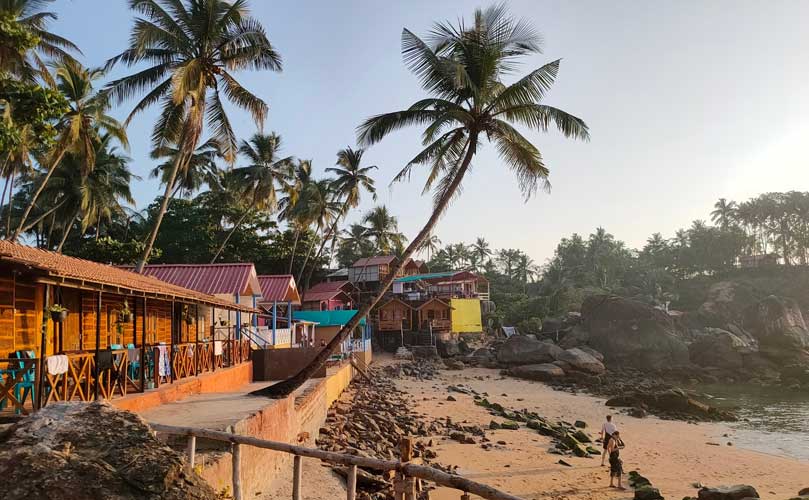
South Goa feels more open and less crowded in many places. Colva is accessible and popular with families. Benaulim is better for a quieter beach day with good food close by. Palolem, with its curved bay and coconut palms, is one of the most loved beaches in Goa.
Palolem also works well for kayaking when conditions are suitable. Nearby Patnem is quieter and a good option for a peaceful meal.
Practical tip: South Goa deserves at least one full day. Trying to combine it with North Goa sightseeing often leads to too much time in the car.
Fontainhas in Panaji brings Goa’s Indo-Portuguese past into everyday street life.
Goa’s history shows up in churches, forts, old homes, and neighbourhoods where the architecture feels different from most Indian coastal towns.
Fontainhas, the Latin Quarter of Panaji, is one of the most photogenic parts of Goa. The colourful houses, old balconies, small chapels, and quiet lanes make it ideal for a walking tour. It is not a place to rush. The charm is in details, such as azulejo-style nameplates, painted walls, and small bakeries.
Respect the fact that people live here. Keep noise low, avoid blocking doorways, and take photos thoughtfully.
Old Goa was once an important centre of Portuguese power. Today, its churches and convents form a major heritage zone. The Basilica of Bom Jesus and Se Cathedral are the best-known stops. The Basilica houses the mortal remains of St Francis Xavier and draws pilgrims from many parts of the world.
The area is easy to combine with Panaji in a half-day or full-day sightseeing plan.
Fort Aguada, overlooking the Arabian Sea, is one of Goa’s most famous forts. It was built by the Portuguese and is a popular stop on North Goa tours. Reis Magos Fort, across the Mandovi River, is smaller and often less crowded. It has been restored and offers fine views towards Panaji.
If time permits, choose both. If the day is short, Reis Magos can feel more relaxed, while Fort Aguada is the classic first-time Goa stop.
The best Goa holidays leave space for inland experiences. Beaches are the headline, but the villages, plantations, rivers, and forests add depth to the trip.
Goa’s spice plantations, especially around Ponda and nearby areas, are popular for guided walks and traditional meals. Visitors can see spices such as pepper, cardamom, nutmeg, cinnamon, and cloves growing in a natural setting.
These tours are easy to combine with Old Goa or temples in the Ponda region. The pace is gentle, which suits families and older travellers.
Dudhsagar Falls is one of the most famous natural attractions near Goa. It is especially impressive during and after the monsoon, when the water flow is strong. Access rules and transport options can change based on season and forest regulations, so it is best to check current local guidance before planning the visit.
Do not treat it as a quick add-on. It needs time, and the day can become long if starting from far North Goa.
Mapusa Market is a good place to see everyday Goan shopping, especially on market days. You can find spices, sausages, sweets, pickles, pottery, textiles, and fresh produce. Anjuna Flea Market, when active in season, is more tourist-focused and works well for clothes, jewellery, souvenirs, and casual browsing.
For food gifts, look for cashew nuts, bebinca, Goan masalas, and kokum products from trusted shops.
Local markets show a more grounded side of Goa beyond beaches and nightlife.
A smooth itinerary saves time and avoids backtracking. Goa looks small on the map, but moving between far North and far South can take longer than expected.
|
Trip length |
Best plan |
|
3 days |
North Goa beaches, Panaji and Old Goa, one South Goa beach |
|
5 days |
Add Fontainhas, forts, spice plantation, market time, and a calmer beach day |
|
7 days |
Include inland Goa, South Goa in more depth, and a free day for cafés or water sports |
Day 1: Arrive, relax, sunset at a nearby beach
Day 2: North Goa beaches, Chapora Fort, Anjuna or Vagator
Day 3: Panaji, Fontainhas, Old Goa churches, Mandovi riverside
Day 4: South Goa beaches, Palolem or Benaulim
Day 5: Spice plantation, local market, slow lunch, departure
This plan works well with a private car or taxi because it reduces waiting time and makes it easier to adjust stops.
If booking through a Goa travel agency or searching for the Goa best tour operator, ask whether the itinerary is private or shared, how many hours are included, and whether parking, tolls, and driver allowances are part of the quote.
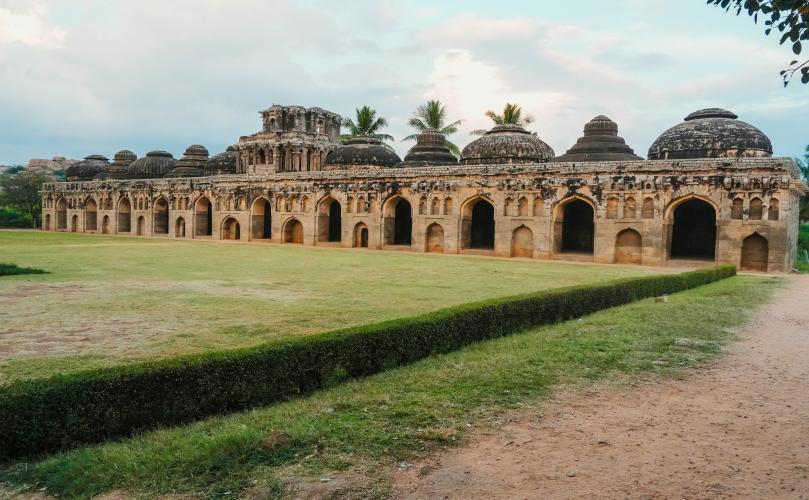
Hampi is one of the best travel extensions from Goa. It stands in sharp contrast to the coast, with ancient ruins, giant boulders, temple complexes, river views, and wide open landscapes. The site is recognised as a UNESCO World Heritage Site and was once the capital of the Vijayanagara Empire.
The mood in Hampi is unlike Goa. Goa is sea, food, forts, and villages. Hampi is stone, history, mythology, and sunrise viewpoints. Together, they make a memorable route.
Some of the most important places include:
Virupaksha Temple
A living temple and one of Hampi’s key landmarks.
Vittala Temple
Known for the stone chariot and musical pillars. Access rules can vary, so follow site guidance.
Royal Enclosure
A large area with remains connected to the old capital’s royal and ceremonial life.
Lotus Mahal and Elephant Stables
Graceful structures that show Hampi’s architectural variety.
Hemakuta Hill and Matanga Hill
Popular for sunrise or sunset views, depending on time and fitness.
Two nights is a comfortable minimum. One night can feel rushed because the ruins are spread out and the heat can be strong during the day. With two nights, you can explore early mornings and late afternoons, then rest during the hottest hours.
A common route is Goa to Hampi by road, with a private taxi or planned transfer. Trains and buses may also be available depending on current schedules, but a car gives more control if the trip includes luggage, family members, or stops on the way.
Hampi pairs beautifully with Goa for travellers who want history after the coast.
Karnataka offers several strong extensions from Goa. The right choice depends on time, season, and interest.
Gokarna, in coastal Karnataka, is a natural add-on for travellers heading south from Goa. It has beaches such as Om Beach, Kudle Beach, Half Moon Beach, and Paradise Beach. The town also has religious importance, so it is not only a beach stop.
Gokarna is quieter than Goa in many ways, though popular periods can still get crowded. It works well for travellers who want coastal scenery without heavy nightlife.
For history lovers, this route is excellent. Badami is known for rock-cut cave temples. Aihole and Pattadakal are important for early temple architecture, with Pattadakal recognised as a UNESCO World Heritage Site.
This circuit can be combined with Hampi if you have enough time. It is best done by road with a planned route, as the sites are spread out.
Mysuru is farther from Goa, but it can be part of a longer Karnataka trip. The Mysore Palace, Devaraja Market, Chamundi Hill, and traditional food stops make it a rewarding city. It pairs better with Bengaluru or Coorg than with a short Goa trip, but it is worthwhile if the journey continues across Karnataka.
Coorg, also called Kodagu, is known for coffee plantations, green hills, homestays, and relaxed drives. It is not close enough for a quick Goa add-on, but it can fit into a longer Karnataka itinerary. It suits travellers who want nature, plantation stays, and a cooler climate after the coast.
A combined route needs better planning than a simple beach holiday. Distances, weather, and sightseeing styles change from place to place.
The most popular time for Goa is from November to February, when the weather is pleasant and beach life is active. March to May can be hot. The monsoon brings lush scenery, but sea conditions, water sports, and some beach activities may be limited.
Hampi can get very hot, so early starts are useful. Carry water, a cap, sunglasses, and comfortable shoes.
A common mistake is trying to see every beach, fort, and church in a single route. Goa is better when the plan has space. Pick a few strong stops and enjoy them properly.
For Hampi, avoid sightseeing in the middle of the day if the weather is harsh. Start early, take a break, then continue later.
A private taxi can be especially helpful for families, senior travellers, and multi-city routes. It also helps when covering Old Goa, Panaji, forts, South Goa, airport transfers, or long drives towards Hampi and Karnataka.
Before confirming, check:
Vehicle type and luggage space
Pick-up and drop points
Total hours or kilometres included
Driver allowance for outstation trips
Parking, tolls, and state taxes
Flexibility for photo stops and meal breaks
For curated Goa tours, taxi options, Hampi trips, and Karnataka travel planning, visit www.paylesstoursindia.com.
If time allows, this route gives a strong mix without feeling too rushed:
Day 1 to Day 4: North Goa, Panaji, Old Goa, forts, and one South Goa beach
Day 5: Spice plantation or inland Goa, then relaxed evening
Day 6: Drive or transfer to Hampi
Day 7 and Day 8: Hampi sightseeing
Day 9: Add Badami, Pattadakal, or return towards Goa or Bengaluru
For a shorter holiday, keep Goa and Hampi only. For a longer one, add Gokarna, Badami, or Coorg depending on interest.
Goa gives you beaches, seafood, forts, churches, markets, and relaxed coastal days. Hampi adds scale, silence, ancient architecture, and a sense of wonder. Karnataka adds even more range, from temple towns to coffee hills and quieter beaches.
The best trip is not the one with the longest checklist. It is the one with enough time to enjoy where you are. Pick North Goa for energy, South Goa for calm, Old Goa and Panaji for heritage, Hampi for history, and Karnataka for the next layer of the journey. With a clear route and reliable transport, this part of India becomes easy to enjoy, one well-planned day at a time.
Share your details and our travel experts will write back with a tailored itinerary and quote - usually within 24 hours, with no obligation.
Share your query and our team will write back in the shortest possible time with every detail you need.
Tell us when and how you like to travel. We'll send a tailored itinerary within 24 hours - no obligation.
Plan my trip free