India is unforgettable, but it can feel intense on a first visit. The distances are big, the food is rich, the streets are lively, and every region feels like a different country. That is exactly why planning matters.
A first trip to India should not feel like a race through famous monuments. It should give enough time to enjoy the places, rest between long travel days, understand local customs, and leave room for surprises. With the right route and a little local support, India becomes easier, warmer, and far more rewarding.
This guide from Paylesstours India is written for first-time visitors who want a smooth, thoughtful trip across India, whether the dream is the Taj Mahal, Rajasthan forts, Kerala backwaters, Himalayan views, wildlife safaris, spiritual cities, or a mix of everything.
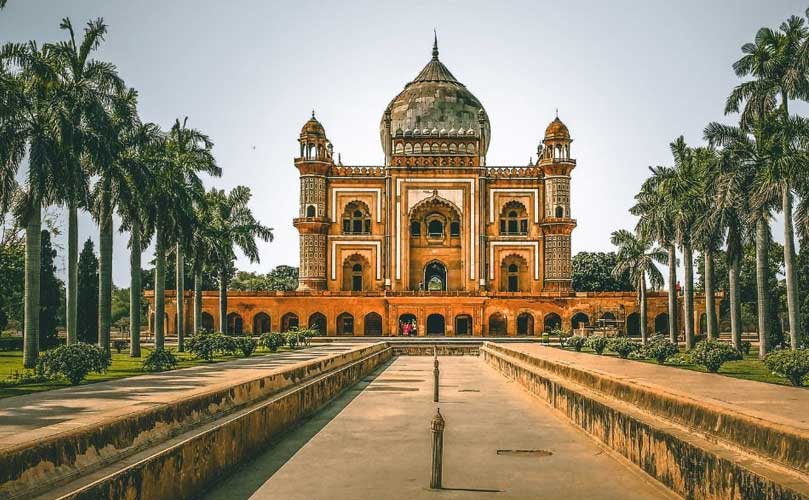
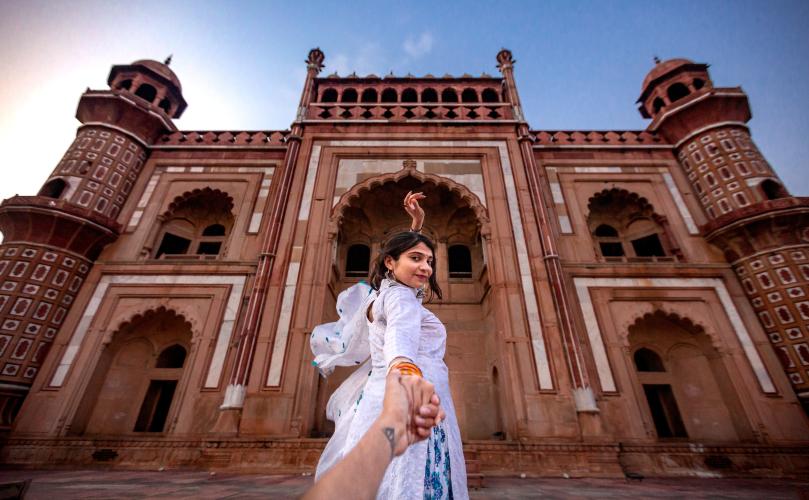
The Taj Mahal is often the first India dream for new visitors.
India rewards slow travel. A common first-time mistake is trying to cover Delhi, Agra, Jaipur, Varanasi, Mumbai, Goa, Kerala, and the Himalayas in one short holiday. On a map it may look possible. In real life, the travel time, traffic, airport transfers, and early starts can become tiring.
For a first India tour, choose one strong route and enjoy it properly.
The Golden Triangle connects Delhi, Agra, and Jaipur. It is popular for a reason. It gives a clear taste of North India in a manageable route.
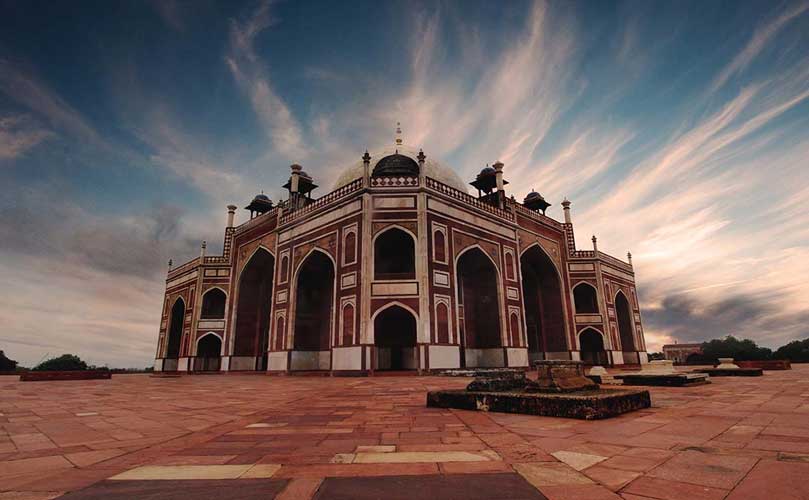
Delhi brings history, food, markets, gardens, and monuments. Agra is home to the Taj Mahal, Agra Fort, and nearby heritage sites. Jaipur adds palaces, forts, traditional crafts, and Rajasthani culture.
A comfortable Golden Triangle trip usually needs 5 to 7 days. With more time, it can be extended to Ranthambore for tigers, Pushkar for a quieter desert-town feel, or Udaipur for lakes and romance.
Rajasthan suits travellers who love dramatic architecture, desert scenery, colourful markets, and old cities. Jaipur, Jodhpur, Udaipur, Jaisalmer, Bikaner, and Pushkar all offer different moods.
Do not rush Rajasthan. The road journeys can be long, but they are part of the experience. A private car with a reliable driver can make the trip much easier, especially for first-time visitors.
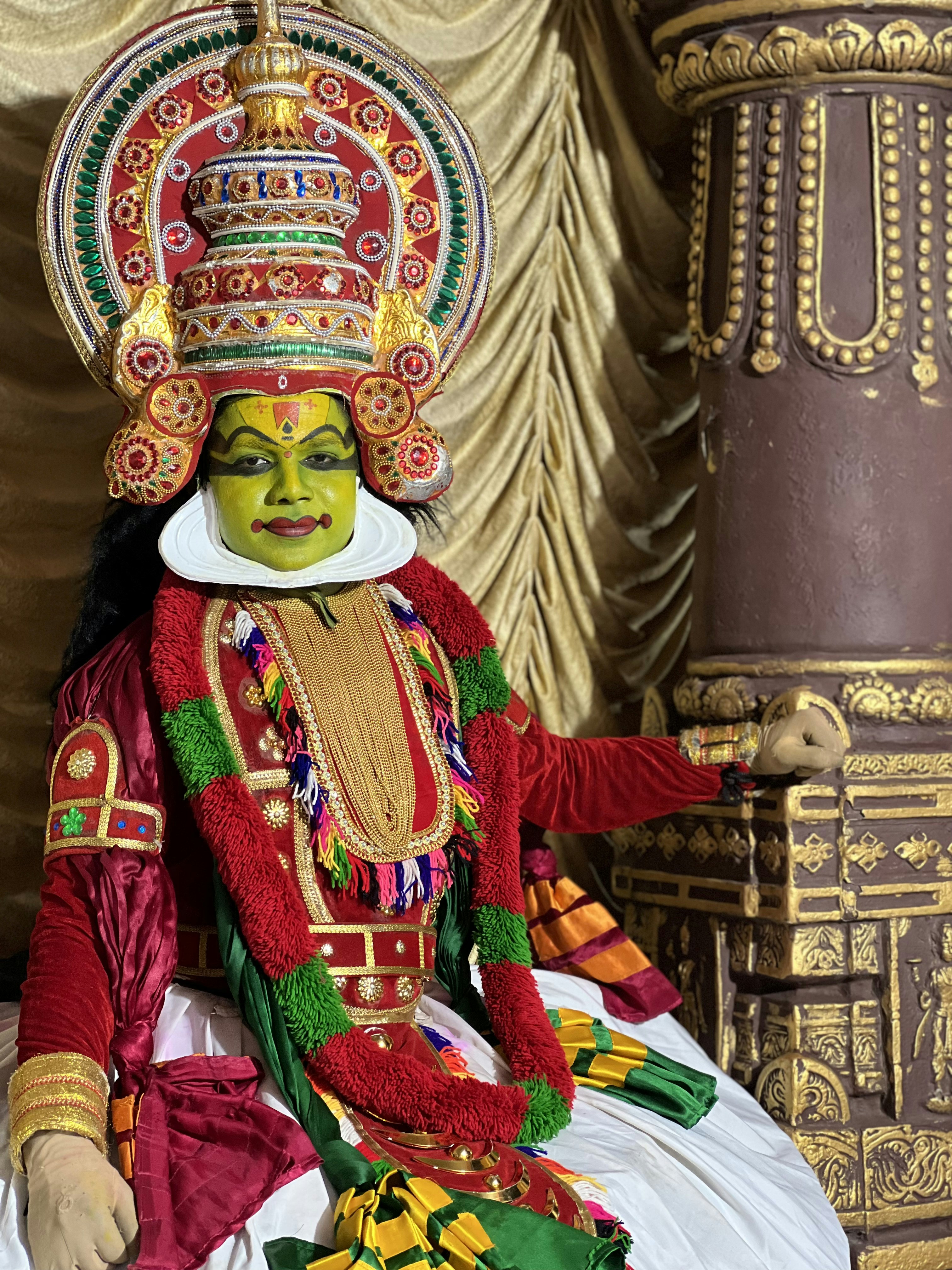
Kerala is a good first trip for travellers who want a calmer introduction to India. It offers tea plantations in Munnar, backwaters near Alleppey or Kumarakom, beaches, wildlife, Ayurveda-inspired wellness, and excellent food.
South India feels different from North India. It is still full of energy, but the pace in Kerala can be gentler. It works well for couples, families, and anyone who wants nature mixed with culture.
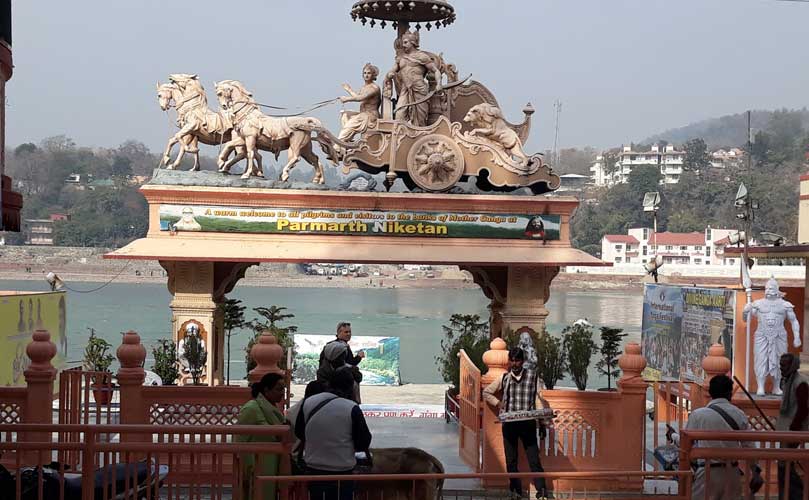
Varanasi is one of India’s most meaningful cities. The Ganga river, evening aarti ceremony, old lanes, and sunrise boat rides leave a strong impression. It is also crowded, deeply spiritual, and emotionally intense.
For many visitors, Varanasi is best after a few days in India, not as the first stop after a long international flight. Arrive with patience, an open mind, and a guide who can explain what you are seeing respectfully.
India is bigger than many first-time visitors expect. A journey that looks short may take longer because of road conditions, city traffic, weather, or check-in time at airports and railway stations.
Try to avoid one-night stays unless there is a clear reason. Two nights in a place usually feels better. It gives a real day for sightseeing and a little time to walk, eat, and notice the place beyond the main attractions.
A balanced itinerary may look like this:
|
Trip length |
Better choice for a first visit |
|
5 to 6 days |
Delhi, Agra, Jaipur |
|
7 to 9 days |
Golden Triangle with Ranthambore or Varanasi |
|
10 to 12 days |
Rajasthan highlights or North India with Varanasi |
|
12 to 15 days |
North India and Kerala, or Rajasthan at a relaxed pace |
|
15 days or more |
A deeper custom India tour with two or three regions |
If the trip includes domestic flights, leave enough buffer time. Do not schedule a same-day international flight after a tight domestic connection unless there is plenty of room between the two.
A guide helps make India’s history easier to understand.
Independent travel in India is possible, but many first-time visitors prefer local support. A good driver, guide, and tour planner can save time, reduce stress, and help with the small details that make a trip feel safe and easy.
This is where working with an experienced travel agency india, india travel agency, tour operator india, india best tour planner can help, especially for travellers who want a private itinerary rather than a rigid group trip.
Paylesstours India can help shape a route around the number of days, preferred travel style, budget, hotel category, and interests. That could mean a cultural tour, family trip, wildlife holiday, luxury journey, spiritual route, or a customised mix.
A travel agency does more than book a car and hotel. For a first India trip, local planning can help with:
Choosing the best order of cities
Avoiding unrealistic routes
Booking reliable drivers and transport
Arranging licensed local guides
Matching hotels to comfort level and location
Planning sightseeing at better times of day
Adding local experiences without making the itinerary too full
Helping if train times, road conditions, or plans change
Some travellers search online for terms like best travel agancy india or india best tour operator when they start planning. Spelling aside, the real goal is simple: find a team that communicates clearly, understands first-time concerns, and builds a trip that fits real travel days.
India has many climates, so the best time depends on the region. Still, for most first-time tours in North India, the most comfortable months are generally from October to March. The days are cooler, which makes sightseeing easier.
April to June can be very hot in many parts of North and Central India. Hill stations and Himalayan regions become more appealing during this period. The monsoon usually affects many areas from around June to September, though rain patterns vary by region.
Kerala is green and beautiful during and after the rains, but humidity can be high. Rajasthan is most pleasant in the cooler months. Ladakh has a short main travel season, usually in the warmer months when high mountain roads are open.
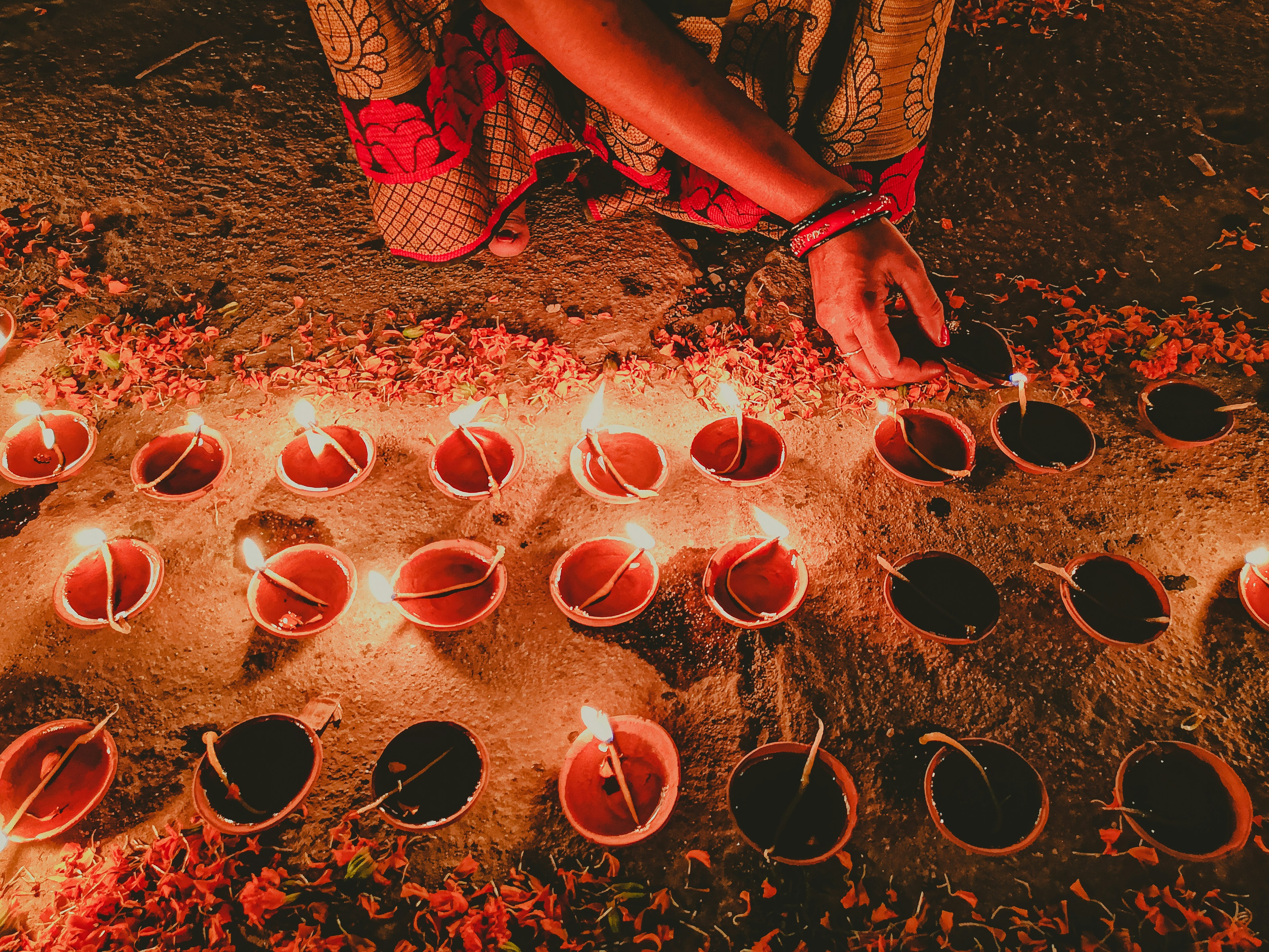
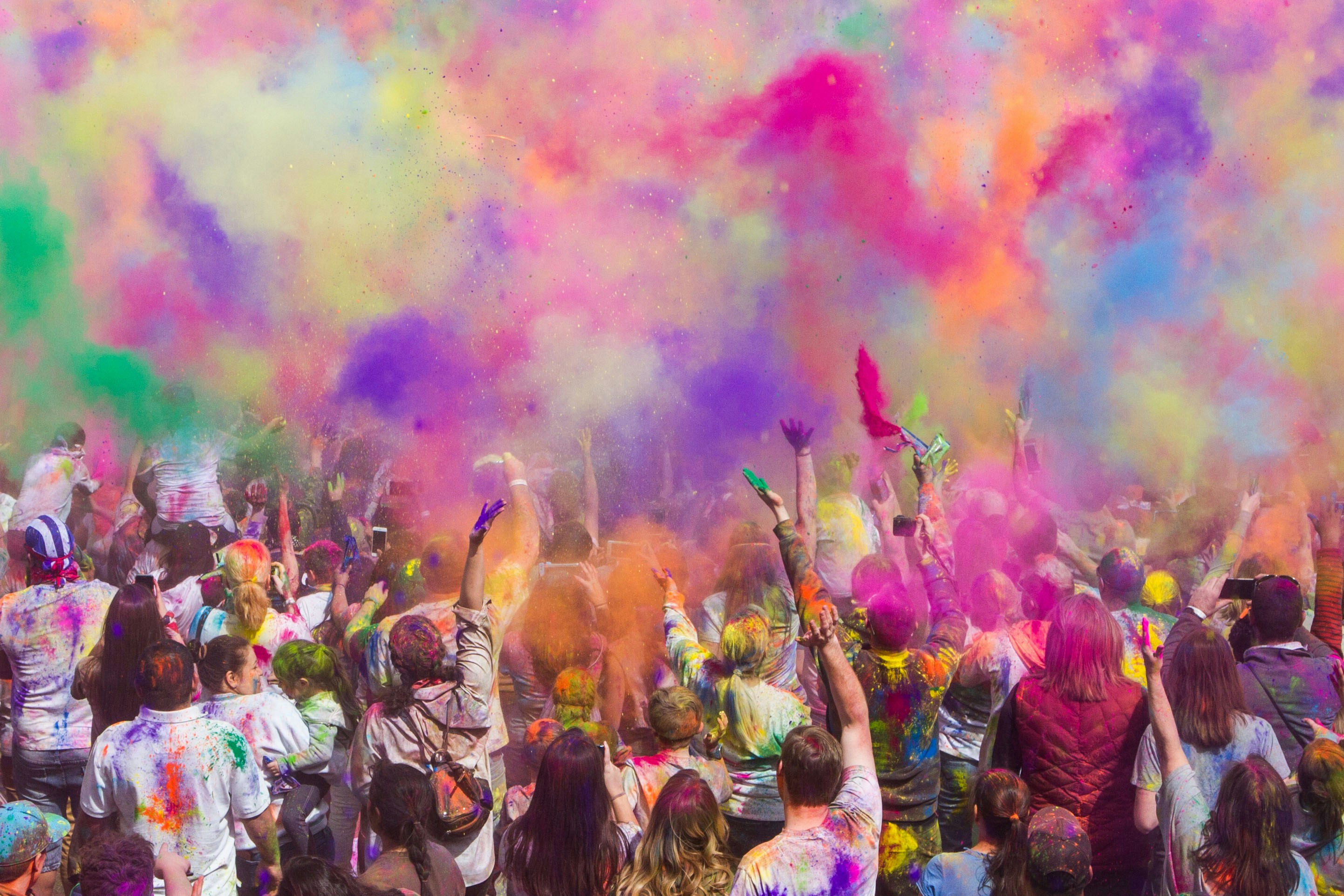
If a major festival is part of the dream, plan early. Diwali, Holi, Pushkar Fair, and other events can be wonderful, but hotels and transport may fill quickly. Festivals also change the rhythm of cities, which is exciting but can affect sightseeing.
India does not require complicated packing, but practical choices make a big difference. Bring clothes that are light, breathable, and modest enough for temples, mosques, gurudwaras, and rural areas.
For most travellers, a useful India packing list includes:
Loose cotton or linen clothing
A light scarf or stole for temples and sun protection
Comfortable walking shoes and sandals
Sunglasses and a hat
Sunscreen and insect repellent
Hand sanitiser and tissues
A refillable water bottle if using safe filtered water
Basic medicines recommended by a doctor
Copies of passport, visa, insurance, and key bookings
A small day bag for sightseeing
Some religious places require covered shoulders, covered legs, or removal of shoes. Carry socks if walking barefoot on hot stone floors does not sound appealing.
Laundry services are widely available in many hotels, so packing less can be better than dragging heavy luggage through stations, airports, and heritage hotels without lifts.
Smart packing keeps the first India trip more comfortable.
Indian food is a highlight of the journey, but the first few days are not the time to prove bravery with extreme spice or random street snacks. Start slowly and let the body adjust.
Choose busy, clean restaurants, freshly cooked food, and sealed bottled water. In hotels, ask for milder spice if needed. Most restaurants that serve travellers understand requests like “less spicy”.
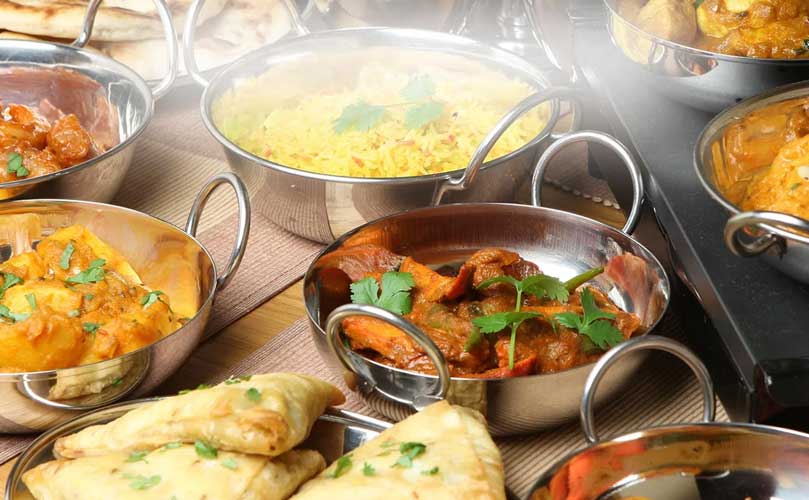
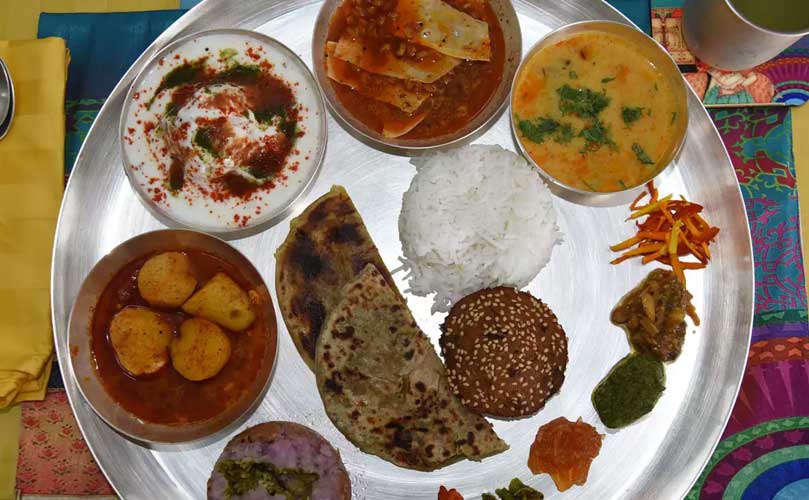
Good first dishes often include dal, paneer, tandoori roti, naan, rice, vegetable curries, dosa, idli, grilled meats, biryani, and thali meals. Regional food changes from state to state, so ask a guide or driver for trusted local suggestions.
A few simple habits help:
Drink sealed bottled water or properly filtered water
Avoid ice unless the source is reliable
Peel fruit yourself when possible
Eat hot, freshly cooked food
Keep small snacks for long drives
Take breaks during heavy sightseeing days
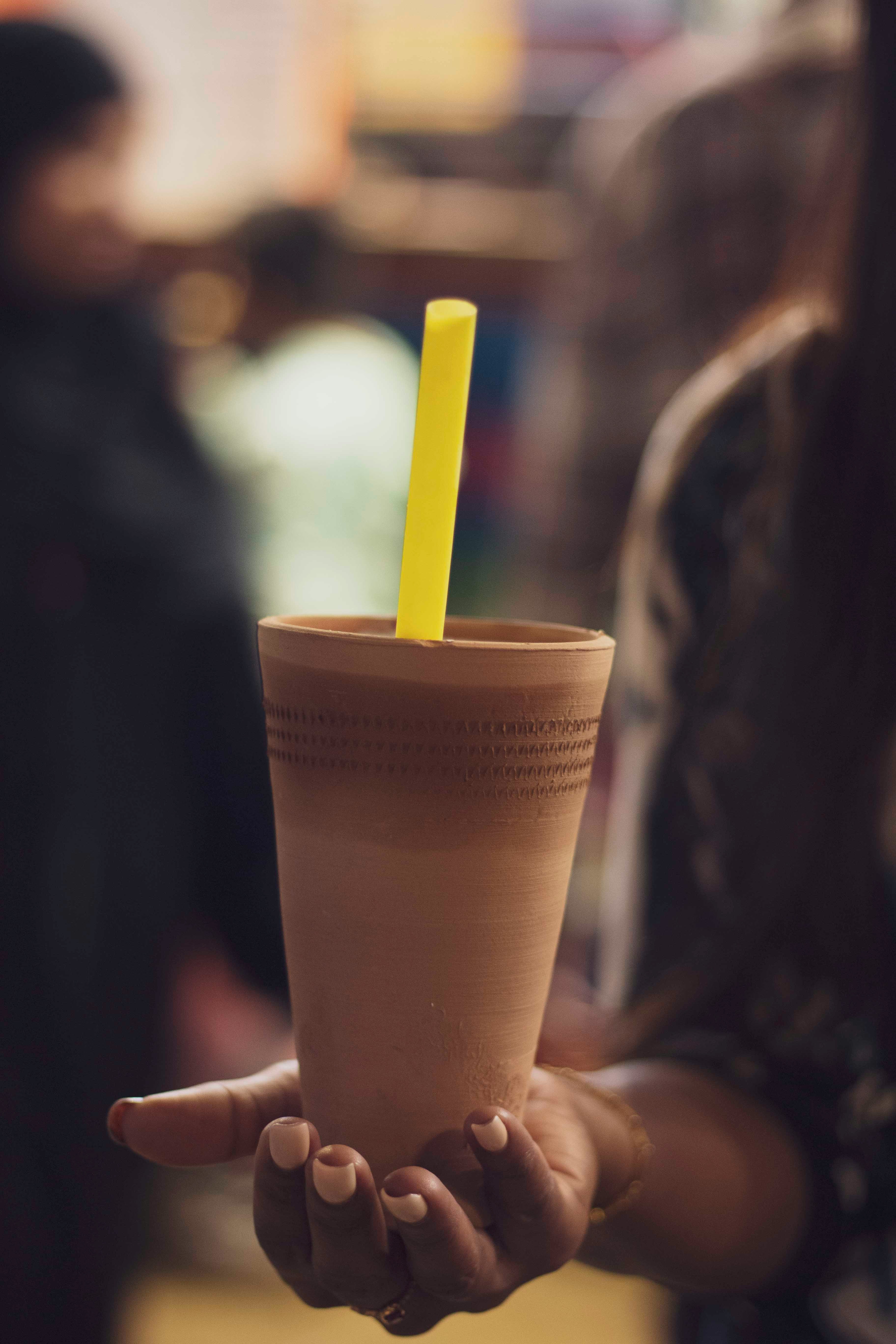
India is generous with tea. Masala chai appears everywhere, from hotels to roadside stalls. Enjoy it, but choose places that look clean and popular.
India is welcoming, but cultural awareness helps avoid awkward moments. The rules are not difficult. Most are based on respect.
Remove shoes before entering many homes and religious places. Dress modestly at sacred sites. Ask before photographing people, especially in rural areas, ceremonies, and places of worship. Public affection is less common in many areas than in some Western countries.
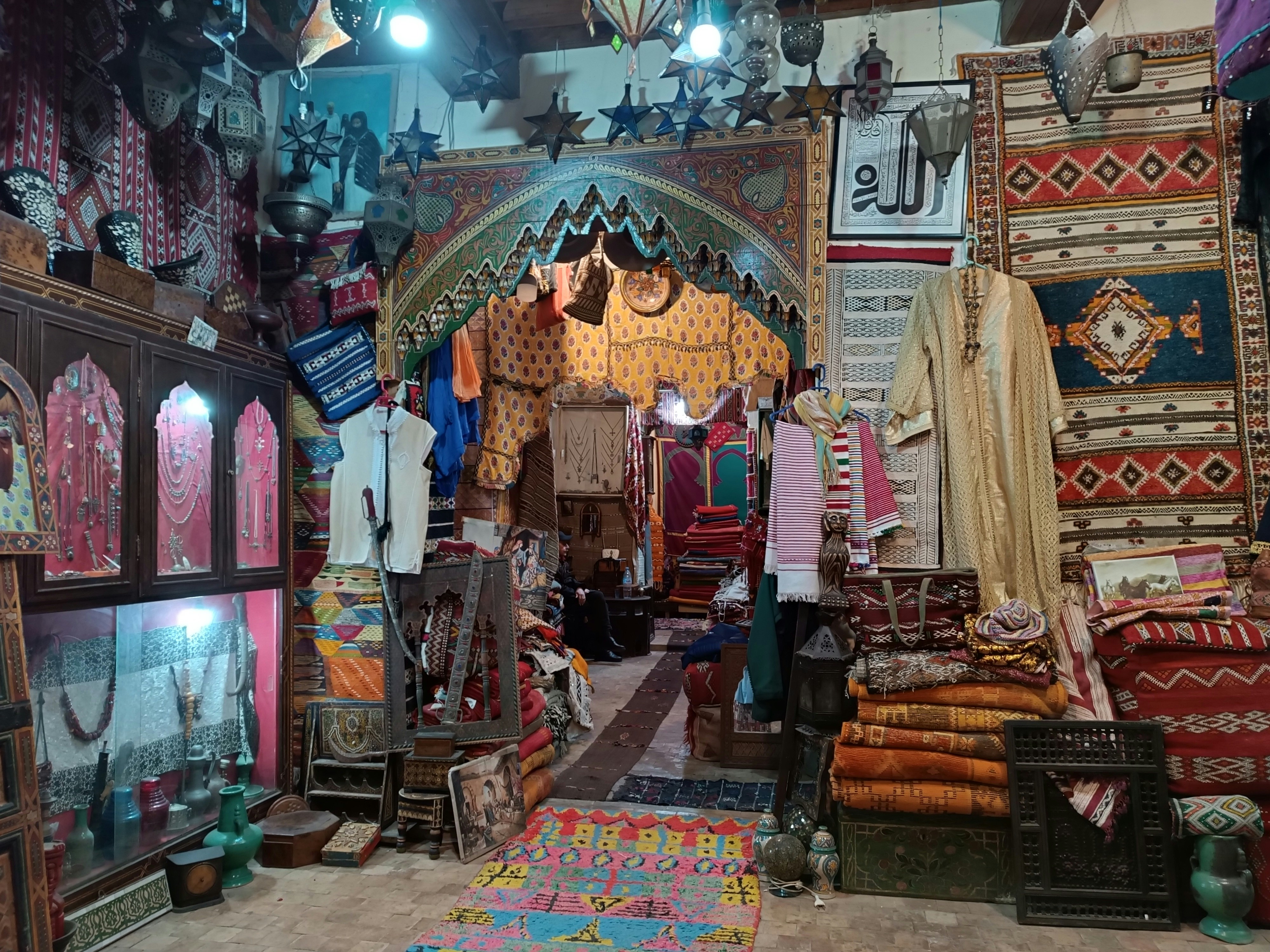
Use the right hand for giving and receiving items when possible. A polite “Namaste” works almost anywhere. Bargaining is normal in markets, but keep it friendly. If a price feels too high, smile and walk away.
Tipping is common in tourism. Drivers, guides, hotel porters, and restaurant staff often appreciate a tip for good service. Amounts vary by service level, trip length, and personal satisfaction, so ask the travel agency for current guidance before the trip.
India can be noisy, colourful, crowded, peaceful, spiritual, chaotic, beautiful, and gentle, sometimes within the same hour. That mix is part of the experience.
Traffic may feel wild at first. Horns are used often. Markets can be crowded. Trains and stations can overwhelm new visitors. At the same time, there will be quiet courtyards, kind conversations, sunrise views, and meals that become favourite memories.
The best approach is to plan well, then stay flexible. Leave extra time. Do not judge the whole country by the first jet-lagged day in a large city. India opens up slowly when the itinerary gives it space.
The best first India trip balances famous sights with breathing room.
That may mean fewer cities, better hotels in good locations, private transfers, or guided walks instead of trying to figure out every detail alone.
Kerala offers a peaceful contrast to India’s big cities.
There is no single perfect India itinerary. A couple may want boutique hotels, quiet dinners, and heritage stays. A family may need short drives, flexible meal stops, and hotels with space to rest. A solo traveller may want a private driver and guides for confidence. A photographer may care most about sunrise, street scenes, and old architecture.
A good tour plan starts with honest questions:
How many days are available?
Is the focus culture, wildlife, food, spirituality, nature, or history?
What comfort level is expected?
Are long drives acceptable?
Is the trip relaxed or packed?
Are there mobility needs or dietary needs?
What is the arrival and departure city?
Once those answers are clear, planning becomes much easier. Paylesstours India can create private tours across India, from classic first-time routes to custom journeys that connect North India, Rajasthan, Kerala, wildlife parks, temples, and hill regions.
For trip ideas, route planning, and tailor-made India tours, visit www.paylesstoursindia.com.
India is not a destination to rush. It is a place to experience with patience, curiosity, and good planning. Choose a route that fits the time available. Add guides where context matters. Eat with care at the start. Pack lightly. Respect local customs. Build in space to rest.
The reward is a journey full of strong images: the Taj Mahal glowing at sunrise, a fort above a desert city, temple bells near the river, tea gardens in the hills, a quiet boat in Kerala, a shared smile in a market.
For a first visit, the smartest travel tip is simple: plan enough, but leave room for India to surprise you.
Share your details and our travel experts will write back with a tailored itinerary and quote - usually within 24 hours, with no obligation.
Share your query and our team will write back in the shortest possible time with every detail you need.
Tell us when and how you like to travel. We'll send a tailored itinerary within 24 hours - no obligation.
Plan my trip free