Claire had booked everything for her three weeks in India with great care: the Golden Triangle, a week in Rajasthan and five nights in Kerala. The one thing she had nearly skipped was travel insurance. Her credit card, she thought, would cover her. A friend in Manchester persuaded her to buy a proper policy the night before she flew, and it cost her GBP 58.
On day nine, in Jodhpur, she woke with a high fever, aching joints and a rash across her arms. Her driver took her straight to a private hospital, where a doctor ordered blood tests and diagnosed dengue. Her platelet count was falling, so she was admitted for four nights. The bill came to a little over INR 145,000, roughly USD 1,725, including a private room, drips, repeated blood counts and an ultrasound. Because she had called her insurer's emergency line from the hospital reception, the insurer paid the hospital directly. Claire paid nothing except a small excess, and she was back on the road to Udaipur two days later than expected, with the extra hotel night covered too.
Her story is very ordinary, and that is the point. India is not a dangerous destination, but long road trips, heat, unfamiliar food, mosquitoes and adventure activities in the Himalayas all bring real medical risk, and good private hospitals in India expect payment before or at discharge. This guide covers what cover foreign tourists actually need, realistic price ranges by trip length and age, the choice between a home-country and an Indian policy, what private treatment really costs in INR and the documents you will need to make a claim.
The core of any India travel insurance policy is emergency medical cover, and the sensible minimum is USD 100,000 per person. Many travel advisers and many UK, European and Australian policies go much higher, to USD 1 million, 5 million or unlimited, and the extra cost for that higher limit is usually small. In India the hospital bill itself is rarely catastrophic, but the combination of an ICU stay, surgery and an air ambulance home can pass USD 100,000 quickly.
Medical evacuation and repatriation cover is just as essential. If you fall ill in Leh, Spiti or a small town in Rajasthan, you may need moving to a major hospital in Delhi, Mumbai, Bengaluru or Chennai. A domestic air ambulance from Leh to Delhi typically costs INR 400,000 to 800,000 (USD 4,760 to 9,520). An international medical flight to Europe or North America can cost USD 50,000 to 150,000, and a commercial flight with a medical escort and stretcher seats is not cheap either. Make sure evacuation is listed as a separate benefit, ideally USD 250,000 or more, and that the insurer's assistance company makes the decisions and arranges the flight.
Next comes trip cancellation and curtailment cover. India tours are usually paid in advance, with luxury trains, heritage hotels and domestic flights often non-refundable within 30 to 60 days of travel. Match the cancellation limit to the full value of what you have paid and cannot get back, which for a three-week private tour for two might be USD 6,000 to 12,000. Check that the policy covers cancellation because of your own illness, a close family member's illness, jury service, redundancy and serious disruption at home, and look at how it treats civil unrest, natural disasters and airline failure.
Then there is baggage, theft and personal money cover. Pickpocketing and bag snatching happen in crowded stations, markets and on overnight trains. Most policies cap single items at USD 300 to 700, so expensive cameras, laptops and phones may need gadget cover or a home contents extension. You will need a police report within 24 hours of a theft for almost every claim.
Activities need their own attention. Standard policies often exclude trekking above 3,000 m or 4,000 m, white-water rafting above grade 3 and motorcycling above 125cc. A Ladakh trekking insurance add-on that covers trekking up to 5,500 or 6,000 m, plus helicopter rescue, is essential if you are walking the Markha Valley or crossing high passes. The same applies to adventure activity cover for rafting on the Ganges near Rishikesh or the Zanskar, paragliding at Bir Billing, scuba diving in the Andamans and riding a Royal Enfield in the Himalayas. Read the activity list line by line and buy the right pack before you leave, because most insurers will not add it once you are already abroad. Also note that drink-related accidents and riding without a helmet or proper licence are routinely excluded.
Travel India with Confidence and Peace of Mind
Prepare for a worry-free India holiday with thoughtful travel planning, personalised assistance and comfortable private journeys. Let us arrange a seamless experience while you travel with confidence.
Insurers never publish one price for India, because the premium depends on your age, home country, pre-existing conditions, trip length, total trip cost and how much cancellation cover you choose. The figures below are realistic ranges for a good-quality single-trip policy bought from a home-country insurer for travel insurance cost for India, not quotations from any particular company.
For a traveller aged 18 to 39, a two-week trip with USD 1 million or more of medical cover, evacuation and moderate cancellation cover usually costs USD 40 to 90 (INR 3,360 to 7,560). A three-week trip runs USD 55 to 120 and a four-week trip USD 70 to 160. Policies that insure the full cost of an expensive private tour, for example USD 8,000 of cancellation cover, cost more, typically 4% to 8% of the insured trip cost in the United States, where cancellation-based pricing is the norm.
Age makes the biggest difference. For travellers aged 40 to 59, add roughly 20% to 50% to those figures. Between 60 and 69 the premium is often double that for a 30-year-old, and from 70 to 79 it can be three to four times higher, so a three-week senior travel insurance for India policy may cost USD 180 to 450. Above 80, choice narrows sharply and some insurers cap trip length at 31 days. Declaring pre-existing conditions such as diabetes, heart disease or a past cancer can add anything from a few dollars to several hundred, but failing to declare them is the commonest reason for a rejected medical claim.
Adventure packs for trekking, rafting or motorcycling typically add 20% to 60% to the base premium, or a flat USD 20 to 80. Gadget cover adds USD 15 to 40. Lowering the excess from USD 250 to zero may add USD 10 to 30.
Frequent travellers should compare an annual multi-trip policy. For a 35-year-old covering worldwide travel including Asia, annual cover often costs USD 120 to 300, with each trip limited to 31, 45 or 60 days. For an older traveller the annual price rises steeply, but it can still be cheaper than two long single trips.
A few habits keep the price fair. Buy as soon as you book, because cancellation cover only protects you from that moment. Choose the right region; India normally sits in a worldwide excluding USA and Canada zone, which is cheaper than worldwide including North America. Do not overinsure baggage if your home contents policy already covers personal possessions abroad. And check whether your premium bank account or card includes cover, though card policies frequently cap medical cover lower, exclude older travellers and only apply if the trip was paid with that card.
For almost every foreign visitor the right answer is to buy in your home country before departure. A home-country policy is regulated where you live, is written in your language, pays in your currency, includes repatriation to your home and covers cancellation before you leave, which an Indian product cannot do because you would be buying it after you have already paid for the trip.
Indian insurers do sell travel insurance, but almost all of it is designed for Indian residents travelling abroad. Those policies are priced in rupees, often require an Indian address and Aadhaar or PAN number, and their medical benefits are built for treatment outside India. Some Indian general insurers do offer inbound or domestic travel policies, and a few aggregators list them, but they usually have lower medical limits, little or no evacuation to your home country and no cancellation cover for bookings made before purchase. Treat such a policy as a backup for domestic flight and baggage problems, not as your main medical cover.
There are a few cases where buying locally makes sense. If you are already in India and your home policy has expired, a top-up policy sold by an international online insurer that accepts travellers already abroad is a better option than going uninsured, though it will apply a waiting period of 24 to 72 hours for illness. If you are an overseas citizen of India or a long-stay resident, a domestic Indian health policy may suit you better, but that is a different product from tourist travel insurance.
When comparing home-country policies, look closely at the cashless hospital network in India: good insurers use an assistance company that has direct-billing agreements with major private hospital groups such as Apollo, Fortis, Max, Manipal and Medanta, so they can guarantee payment to the hospital. A 24-hour emergency phone line, ideally with a WhatsApp or app option, matters just as much. Then weigh the excess per claim, the treatment of pre-existing conditions and whether the specific activities on your itinerary are covered.
Check your dates carefully too. Cover should start on the day you leave home and finish on the day you return, including any stopovers in Dubai, Doha or Singapore. If your trip extends into Nepal, Bhutan or Sri Lanka, as many combined tours do, make sure those countries are inside your region of cover. Payless Tours India, which arranges private tours across India and neighbouring countries for overseas travellers, asks every guest to share their insurer's name, policy number and emergency number before arrival, so that the driver and the support team can act quickly if a guest needs a hospital.
Plan Smart, Travel Better, Discover More of India
Make every part of your India holiday easier with tailored itineraries, private transportation and dedicated travel assistance. Enjoy a thoughtfully organised journey built around your preferences.
India's best private hospitals are very good, with international accreditation, English-speaking doctors and modern equipment in every large city. They are cheaper than hospitals in the United States or Switzerland, but they are not cheap, and private hospital costs in India for foreign patients sit at the upper end of local price lists. The figures below are realistic ranges at a well-known private hospital in Delhi, Mumbai, Jaipur, Bengaluru or Kochi; small-town clinics charge less.
An emergency room visit in India with a doctor's assessment, basic blood tests and a drip typically costs INR 5,000 to 15,000 (USD 60 to 180). A simple outpatient consultation with a specialist runs INR 1,500 to 3,000. Many hospitals ask for an advance deposit of INR 25,000 to 100,000 before admission unless your insurer issues a guarantee of payment.
A day of admission in a private single room costs INR 8,000 to 25,000 for the room alone, and once you add doctor visits, nursing, medicines and tests, the realistic daily total is INR 25,000 to 50,000 (USD 300 to 595). An ICU bed with monitoring costs INR 40,000 to 100,000 per day. A CT scan in India costs about INR 3,000 to 6,000 for a plain head scan and INR 6,000 to 14,000 for an abdominal scan with contrast. An MRI runs INR 7,000 to 18,000. A chest X-ray is INR 500 to 1,500.
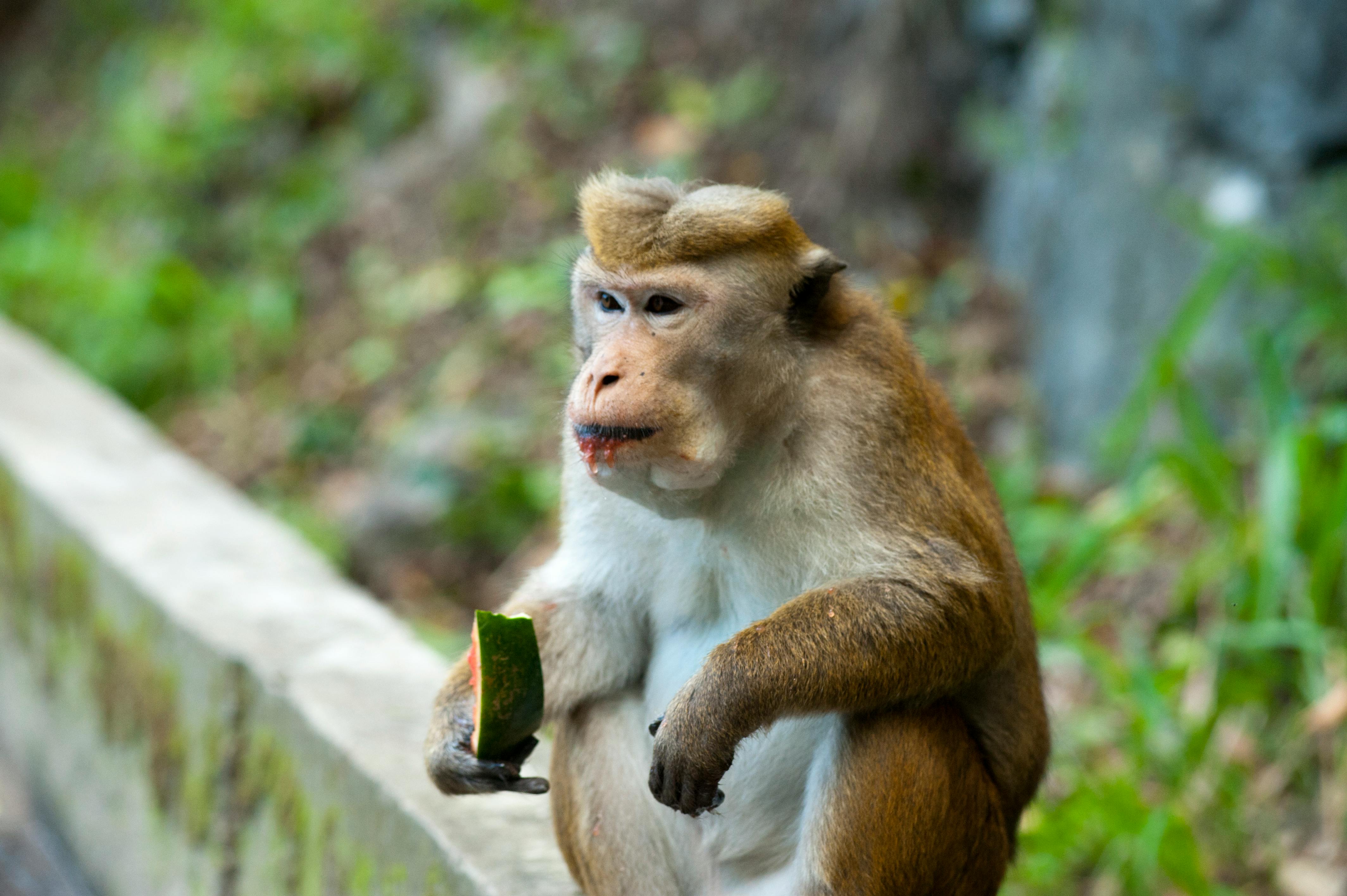
Common illnesses among tourists have fairly predictable bills. Dengue treatment cost in India for a three to five night admission with monitoring of platelets, drips and medicines is usually INR 60,000 to 200,000 (USD 715 to 2,380), higher if a transfusion or ICU care is needed. A bad case of food poisoning treatment handled in the emergency room with rehydration and medicine costs INR 8,000 to 20,000, while a one to two night admission with drips, stool tests and antibiotics runs INR 30,000 to 70,000. A dog or monkey bite needing rabies immunoglobulin and a course of vaccine can cost INR 15,000 to 40,000, and immunoglobulin is sometimes in short supply outside large cities. A fracture treated with surgery and a plate costs INR 150,000 to 400,000. An appendix removal by keyhole surgery costs INR 150,000 to 300,000.
Other costs add up too. An ambulance within a city costs INR 1,500 to 5,000, and a cardiac or ICU-equipped ambulance much more. Medical reports and discharge summaries are usually free, but certified copies for insurers may carry a small fee. Hospitals accept international credit cards, but the card limit on a foreign card may not stretch to a large deposit, which is one more reason to call your insurer's emergency line before or immediately after admission. The assistance company can then send a guarantee of payment directly to the hospital's international patient desk and save you from paying a large sum and claiming it back later.
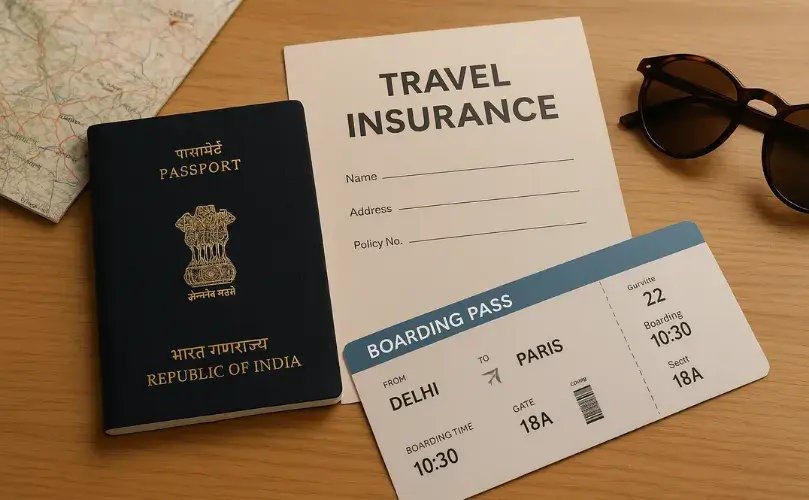
Buy your policy as soon as your India trip is booked and paid, so cancellation cover starts straight away. Save the policy document as a PDF on your phone, print one copy for your hand luggage and email the emergency number and policy number to your travel companion and your tour operator. Add the assistance number to your phone contacts under a clear name, and check whether it accepts calls from Indian mobile numbers, because many travellers buy a local SIM on arrival.
If you need a hospital, call the insurer's emergency line before admission if you can, or within 24 to 48 hours if you cannot. Give the hospital name, the doctor's name and your diagnosis, and ask the hospital's international patient desk to deal with the assistance company directly. Most policies require you to obtain approval before any non-emergency surgery, an MRI or an evacuation, and insurers can reduce or refuse a claim if you skip that step.
The paperwork for a travel insurance claim in India is predictable. For medical claims keep the admission note, the discharge summary, every itemised bill and receipt, prescriptions, laboratory and imaging reports, a medical certificate stating the diagnosis and, for outpatient visits, the doctor's note and pharmacy receipts. Photograph everything before you hand originals to anyone. For theft or loss you need a police report, known in India as a First Information Report or a lost-property report, obtained within 24 hours; many states now let you file a lost-article report online. Add proof of ownership or original purchase receipts for the stolen items. For flight delays and missed connections, ask the airline for written confirmation of the delay and its cause. For cancellation or curtailment claims, keep the tour operator's invoice and cancellation charges, your payment receipts and a doctor's certificate or other supporting evidence.
Submit the claim within the deadline in your policy, and keep copies of everything you send, usually 30 to 90 days after your return, through the insurer's online portal. Claims that are well documented and declared promptly are usually settled within four to eight weeks, while missing receipts or a late police report are the most common reasons for delays and partial payments.
A short check before you fly will spare you most problems. Confirm that the medical limit is at least USD 100,000 and evacuation is separately covered. Make sure every activity on your itinerary, including high-altitude trekking cover in Ladakh and rafting near Rishikesh, is listed. Declare pre-existing conditions honestly, note the excess and ensure the dates span your whole trip, including any extension to Nepal, Bhutan or Sri Lanka. With that done, you can enjoy India knowing that, if the worst happens, you will be looked after properly.
Everything foreign travellers usually ask before booking a Rajasthan tour. Still unsure? Just send us a message.
Ask a questionNo. India does not require proof of travel insurance for the e-Tourist Visa or at immigration. It is still strongly recommended, because private hospitals expect payment upfront and a dengue admission alone can cost INR 60,000 to 200,000 (USD 715 to 2,380). Your tour operator or airline may also ask for policy details.
Choose at least USD 100,000 of emergency medical cover per person, plus separate evacuation cover of USD 250,000 or more. Many good policies offer USD 1 million to 5 million for only a few dollars more. An ICU stay and an international air ambulance together can easily pass USD 100,000.
For a traveller under 40, a two-week policy with strong medical cover usually costs USD 40 to 90, and a four-week policy USD 70 to 160. Travellers aged 60 to 69 often pay double, and those aged 70 to 79 three to four times as much. Adventure packs add 20% to 60%.
Often not. Many standard policies stop at 3,000 m or 4,000 m. Treks such as Markha Valley reach about 5,200 m, so buy an adventure or trekking add-on covering up to 5,500 or 6,000 m, plus helicopter rescue. This usually adds USD 20 to 80, depending on age and trip length.
You can, but most Indian travel policies are built for residents going abroad. Domestic or inbound policies usually have lower medical limits, little evacuation cover and no cancellation cover. If your home policy has lapsed, an international insurer that sells to travellers already abroad is a better choice, with a 24 to 72 hour illness waiting period.
At a good private hospital in a major city, an emergency room visit with a doctor's assessment, blood tests and a drip typically costs INR 5,000 to 15,000 (USD 60 to 180). Admission usually needs a deposit of INR 25,000 to 100,000 unless your insurer sends the hospital a guarantee of payment.
A private single room costs INR 8,000 to 25,000 per day for the room alone. With doctors, nursing, medicines and tests, the realistic total is INR 25,000 to 50,000 (USD 300 to 595) per day. An ICU bed costs INR 40,000 to 100,000 per day at a top hospital.
You need a police report from the local station or an online lost-article report, filed within 24 hours, plus proof of ownership such as purchase receipts, bank statements or photographs. Note the date, time and place of the theft. Most policies cap single items at USD 300 to 700 unless you bought gadget cover.
Usually yes, if you call the emergency assistance line before or soon after admission. The assistance company sends a guarantee of payment to the hospital, often within two to six hours. Large groups such as Apollo, Fortis, Max, Manipal and Medanta have international patient desks used to direct billing.
Rarely on its own. Card policies often cap medical cover at USD 50,000 to 100,000, exclude travellers over 65 or 70, offer limited evacuation cover and apply only if the trip was paid with that card. Compare the card policy's wording with a standalone policy costing USD 40 to 120 before relying on it.
Share your details and our travel experts will write back with a tailored itinerary and quote - usually within 24 hours, with no obligation.
Share your query and our team will write back in the shortest possible time with every detail you need.
Tell us when and how you like to travel. We'll send a tailored itinerary within 24 hours - no obligation.
Plan my trip free