Crave sunsets over sand dunes, mirror-still lakes, and palaces washed in pink and gold? Rajasthan stuns at first glance, then keeps surprising you with layers of royal history, bold flavors, and warm hospitality. This is where rattling bazaars meet quiet havelis, and epic forts rise over blue and ocher cities.
If you love culture, you will find world-class art, music, and craft at every turn. If you want adventure, the Thar Desert calls with camel rides, dune camps, and starry skies. History buffs can trace empires through towering gates, marble courtyards, and battle-scarred ramparts.
The best places in Rajasthan cover a wide range, from lake cities to desert citadels. Think amber-hued forts, white-marble palaces, stepwells with perfect symmetry, and sacred temples. Each stop has its own flavor, pace, and story.
This Rajasthan travel guide points you to the heavy hitters and a few smart add-ons. Expect classics like Jaipur, Udaipur, and Jaisalmer, plus options that fit short trips or longer loops. You will get quick tips on what to see, when to go, and how to plan.
Use this intro as your preview, not the whole show. The sections ahead make it easy to pick your route, compare highlights, and save time. Ready to map out your Rajasthan days with confidence?
Step into living palaces, massive forts, and museum-rich halls where tales of Maharajas still echo. Jaipur and Jodhpur pack in art, armor, and terrace views that make history feel close. Plan for October to March for mild weather, clear skies, and golden light that flatters photos.
Travel tips to make it easy:
 Amber Fort sits above Maota Lake like a sandstone crown. It is part of the UNESCO-listed Hill Forts of Rajasthan, which speaks to its heritage value. You climb through grand gates into courtyards that glow in the morning sun, then step into rooms where mirrors multiply light like stars.
Inside Sheesh Mahal, the famed mirror palace, candlelight once bounced off tiny glass tiles to create a night-sky effect. The carvings, lattice windows, and frescoes show the craft skills of the time. Views from the ramparts sweep over the Aravalli hills and the old town of Amer, perfect for wide-angle shots.
Ways to visit:
Practical tips: arrive at opening time to avoid crowds, carry water, and wear shoes with good grip on stone steps.
Mehrangarh rises straight from a rocky cliff, with walls that soar more than 100 meters above the city. The entry gates still carry battle scars from cannon fire, a stark reminder of Rajasthan’s warrior past. From the terraces, the Blue City spreads below like a sea of indigo.
The on-site museum is one of India’s best. You will see howdahs, royal cradles, fine miniatures, and ornate palanquins. Painted rooms like Phool Mahal glow with gold leaf and delicate ceilings. Audio guides are clear and add context without fluff.
Add some thrill with the zip-line across the fort’s lakes and battlements. It is safe, scenic, and gives a unique angle on the ramparts. After your visit, head to the Clock Tower and Sardar Market for spices, textiles, and antiques. Bargain with a smile, then sip a lassi on a rooftop with fort views.
Timing and tips:
Jaipur’s City Palace and Jodhpur’s Umaid Bhawan show two faces of royalty, one rooted in older traditions, the other in Art Deco grandeur.
How they compare:
Why they are worth your time:
Best time for both cities is October to March. Book guides or special tours ahead in peak season, and plan palace visits early in the day to enjoy softer light and fewer tour groups.
Udaipur wears the title “Venice of the East” with quiet grace. Glassy lakes, white palaces, and candlelit ghats set a mood that suits couples and solo travelers seeking peace. Sunsets spill gold on the water, musicians play on the steps, and boats glide past domes like drifting lanterns.
Add a night in a heritage hotel, wake to temple bells, and sip chai on a rooftop with lake views. Time your trip for the Mewar Festival in spring for Gangaur processions on boats, or the Shilpgram Utsav in December for crafts and folk shows. For a sweeping view, ride up to Sajjangarh Monsoon Palace, a hilltop fort that lights up at dusk.

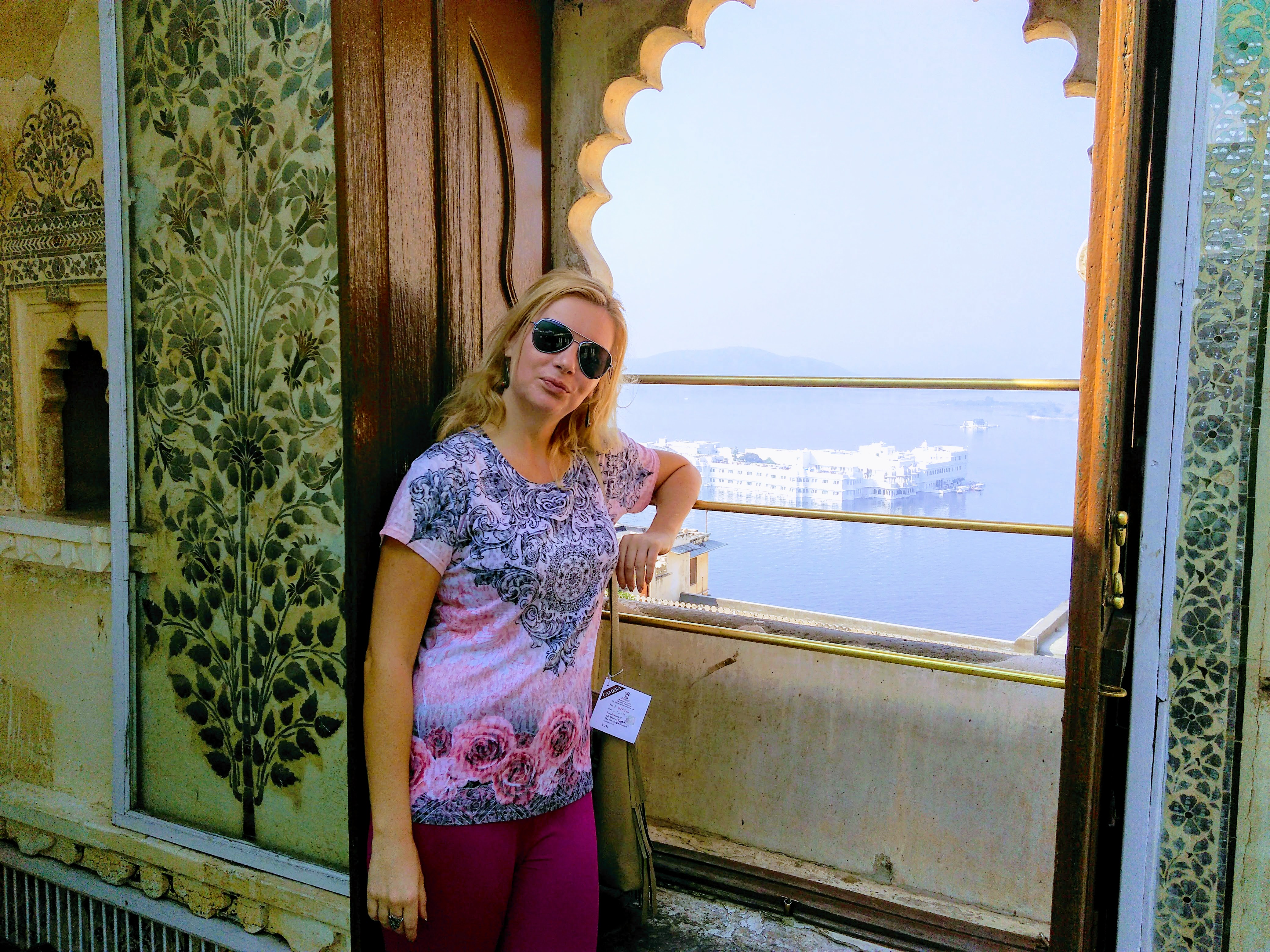
Lake Pichola feels like a stage set. Light shifts, water ripples, and the Taj Lake Palace appears to float. Book a shared or private boat from the City Palace jetty. Day rides give crisp views of palaces and havelis. Sunset cruises slow down, the water turns bronze, and silhouettes sharpen against the Aravalli hills.
The Lake Palace starred in James Bond’s Octopussy, which cemented Udaipur in pop culture. Film fans also spot the Monsoon Palace on a nearby ridge. Ask locals for “Octopussy screenings” in old city cafes if you enjoy retro fun.
Evenings gather at Gangaur Ghat for small aartis. Diyas glow on the steps, chants carry over the lake, and you can feel the city exhale. Keep space and watch with quiet respect.
Photography tips that always work:
Practical pointers:
The City Palace climbs the eastern bank of Lake Pichola with mosaics, courtyards, and delicate balconies. You will see a blend of Rajput strength and Mughal finesse in lotus motifs, mirror work, and arched windows. The museum route weaves through rooms rich with murals and royal artifacts. Audio guides add crisp stories without fluff, keeping you on track as you move.
From the palace jetty, boats head to Jag Mandir, a serene island with elephant statues and shaded gardens. Royals once used it as a retreat, and it still feels calm. Sit with a lime soda and watch the Lake Palace brighten across the water.
Why this duo belongs on your list:
Smart tips for a smoother visit:
Where to stay for extra charm:
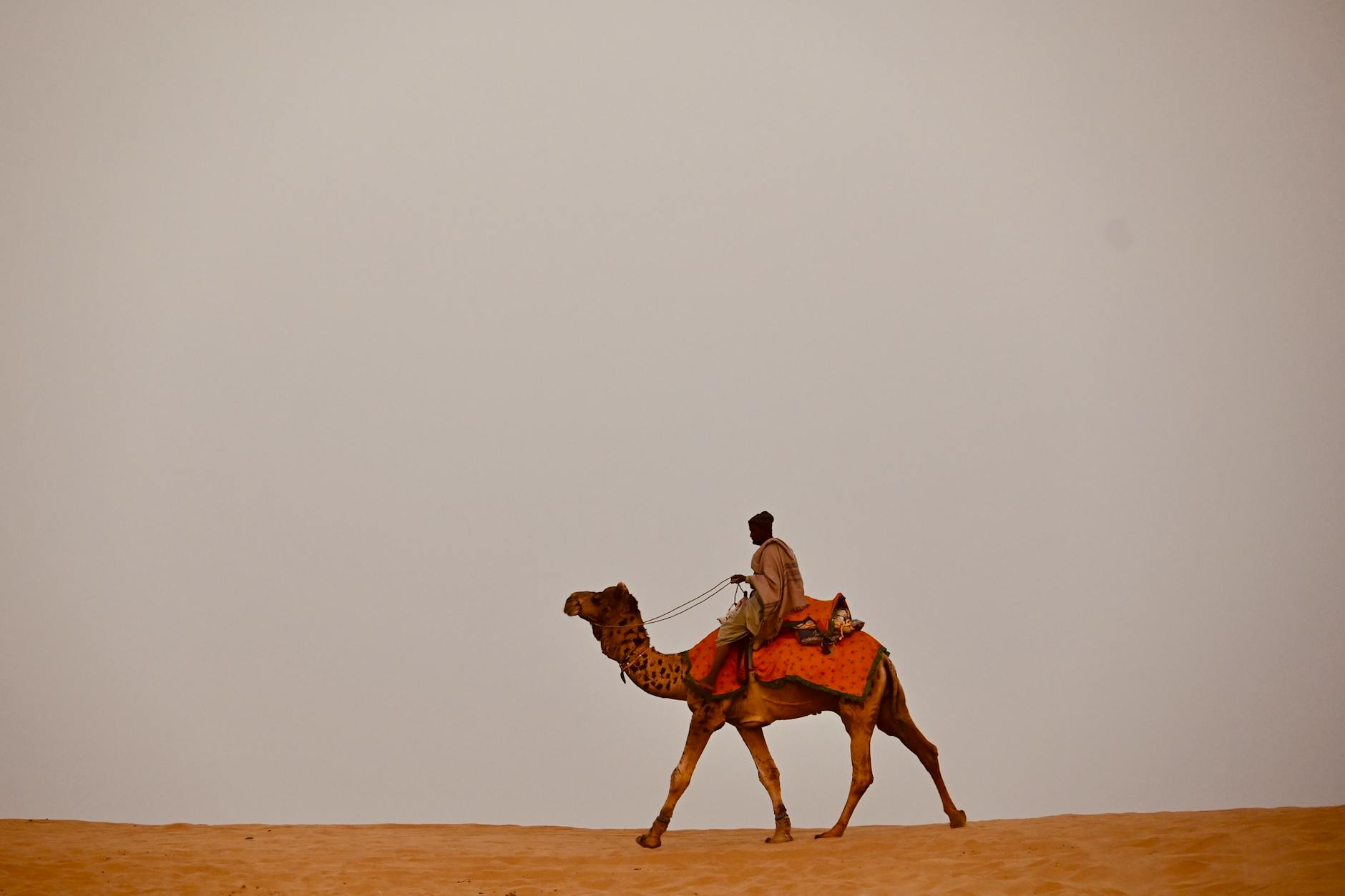
Golden dunes, a glowing fort, and open skies make Jaisalmer feel timeless. The city sits on the edge of the Thar Desert, where camels tread slow and stars seem close enough to touch.
Smart ways to go greener and stay comfortable:
Jaisalmer Fort glows like honey at sunrise. It is one of the rare living forts, with families, shops, and temples all inside the walls. Walk the narrow lanes to find carved havelis, Jain temples, and small courtyards where artisans still work.
Stone carvers chisel floral jalis, bangle sellers stack colors like candy, and tailors stitch mirror-work trims. Step into the Jain temples for marble pillars, lotus motifs, and quiet prayer. The atmosphere feels old and lived-in at the same time.
Climb to the bastions for café terraces. Order chai and watch the Thar spread to the horizon. Sunsets turn the fort’s yellow sandstone into deep gold. The view pairs well with a simple thali or a sweet lassi.
Story threads run through the fort. Local lore recalls Rawal Jaisal choosing this hill on a sage’s advice. Bards still sing of Bhati Rajput valor, long caravans, and the city’s trade riches. You can hear snatches of those tales in market talk and festival drums.
Good to know before you wander:
Sam is your classic desert picture. Rolling dunes, camel trains at dusk, and a sky bursting with stars. Choose a camel ride for a slow rhythm over the crests, or a jeep run for dune bashing on steeper slopes. Both give wide, cinematic views.
Evenings at camp bring puppet shows, Kalbeliya dance, and live Rajasthani folk music by the fire. Drums carry across the sand, and you can see constellations with the naked eye. Ask your guide to point out Orion, the Pleiades, and the Milky Way band.
For a lighter footprint, make choices that help the desert last:
Overnight camp safety and comfort tips:
Pack for sandstorms and sudden gusts:
Why Sam feels like the ultimate desert escape:
Trade palace halls for wild tracks and quiet ghats. Ranthambore serves raw nature and real chances to see a tiger. Pushkar softens the pace with prayer bells, lake breezes, and a rare temple to the Creator. Families, photographers, and spiritual seekers all find something that sticks.
Ranthambore’s old fort towers over lakes where sambar deer wade and crocodiles sun. This mix of ruins and forest gives strong chances to spot Bengal tigers, plus leopards, sloth bears, and over 270 bird species. Watch for crested serpent eagles, painted storks, and winter migratory ducks.
How to plan your safari:
Zones that often deliver:
Simple field tips that help:
Conservation matters:
Quick booking pointers:

Pushkar hums with soft chants, temple bells, and the rustle of prayer flags. Pushkar Lake holds 52 ghats where pilgrims take holy dips, especially at sunrise and on full moon days. The air feels calm, even with the bustle of traders and tea stalls.
Why it feels special:
Respectful ways to join in:
Shopping and slow moments:
Timing and crowd hacks:
A balanced day idea:
At a glance for planners:
| Place | Best time to visit | Peak crowd alerts | Book ahead |
|---|---|---|---|
| Ranthambore | Oct to Jun, mornings for safaris | Holidays and weekends | Safaris 30 to 90 days |
| Pushkar | Oct to Mar, sunrise and sunset | Camel Fair and full moons | Hotels months ahead for the fair |
Traveling with family or seeking quiet, pairing Ranthambore and Pushkar makes sense. You get big-cat thrills in the morning, then a soft landing by a sacred lake the next day.
From Jaipur’s living palaces and Jodhpur’s cliff-top fort to Udaipur’s mirror lakes, the best places in Rajasthan blend story, craft, and scenery. Jaisalmer brings golden ramparts and the Thar Desert’s stillness, while Ranthambore adds raw wildlife. Pushkar balances it with soft bells, ghats, and a rare Brahma temple. This mix is why Rajasthan travel keeps drawing culture lovers, photographers, and first-timers.
Use this guide to shape a route that fits your pace. Pick two or three hubs, then add a desert camp or a tiger safari for contrast. Save dates, book your itinerary, and lock key stays and safaris early. Aim for October to March for mild days, bright skies, and clean light.
Every stop offers clear moments, from sunrise over Lake Pichola to folk songs by the dunes. Pack light, hire good guides, and give yourself time to wander markets and quiet lanes. Start planning today, then create your own set of vivid memories in India’s land of colors.
Travel agency in India
Maybe you have long dreamed of traveling to mysterious India and you are looking for a travel agency that would organize a perfect stay in India for you without stress, delays, according to an unusual route and full of attractions, contact our boutique travel agency Paylesstoursindia. Our specialization includes individual tours to India, where you can take a closer look at local customs and traditions, taste delicious food and get a deep insight in Indian culture.
Share your details and our travel experts will write back with a tailored itinerary and quote - usually within 24 hours, with no obligation.
Share your query and our team will write back in the shortest possible time with every detail you need.
Tell us when and how you like to travel. We'll send a tailored itinerary within 24 hours - no obligation.
Plan my trip free

![Essential Information Before Travelling to India [2025 Guide]](https://www.paylesstoursindia.com/blog_images/makm-photography-u0irc-unbok-unsplash-1-1744953219.jpg)
![Cultural Tips Before Travelling to India: What Every Visitor Should Know [2025 Guide]](https://www.paylesstoursindia.com/blog_images/curated-lifestyle-nw6rp-dkba8-unsplash-1745135515.jpg)
![Khajuraho: Ancient Temples, Sculptures, and Travel Tips [2025 Guide]](https://www.paylesstoursindia.com/blog_images/getty-images-jhoje1cjs7s-unsplash-1745211364.jpg)
![Exploring Ajanta Ellora Caves [History, Art, and Visitor Guide]](https://www.paylesstoursindia.com/blog_images/siddhesh-mangela-zp039-crf3m-unsplash-1751097940.jpg)
![Malana Village in India: Magic, Traditions and the Legendary Malana Cream [2025 Guide]](https://www.paylesstoursindia.com/blog_images/saurav-pratihar.jpg)